EARLY BIRD
 Adventure
Southern Voyager
7 Days
Departs Christchurch
For 18 to 39 year olds
12% OFF
From $1,990 NZD$2,249 NZD
By Agung White published on 12 August 2026
“Hey Siri, pack my bags!”
We know that packing isn’t always everyone’s favourite part about going on an overseas adventure, and life would be a lot easier if someone would just do it for us. But we think packing is made a helluva lot easier when you know exactly what to pack, and you don’t need to put too much brainpower into it.
To help make your packing experience a little more stress-free, we’ve put together everything you should consider when packing for your Wild Kiwi trip.
So, put on a playlist of bangers and let’s get packing!
Quick Packing Checklist: Passport (valid 6+ months) · NZeTA sorted if required · Travel insurance · Spending money · Any essential medication · One main bag under 20kg + a day bag · Layers for all-weather · Reusable water bottle · Power adapter. Full detail on every item below.
While the contents of one’s bag can differ from person to person, these are the things everyone needs to have sorted for an epic, easy-breezy travelling experience.
Without your passport in hand, you won’t be going anywhere anytime soon. Make sure your passport is valid for at least 6 months, with blank visa pages ready.
Visa requirements vary depending on where you’re from. Most visitors from visa-waiver countries (this includes most of Europe, the UK, the US and Canada) need an NZeTA, a New Zealand Electronic Travel Authority, arranged online before you fly. It's valid for two years once approved, so it's worth sorting well ahead of your trip rather than at the airport.
Most visitors also pay the International Visitor Levy (currently NZD $100) alongside their NZeTA applicatio, it's usually a single combined transaction, so you won't need to pay it separately. Australian citizens are a special case: under the Trans-Tasman Travel Arrangement, you don't need a visa or NZeTA at all. Whatever your passport, double-check your specific requirements before you travel, as rules and fees do change.
This is important! Insurance is not included in the price of your Wild Kiwi tour, but we highly recommend taking out travel insurance before you travel with us. You can get travel insurance that covers your health and well-being, valuables, or all of the above. You know what they say; better safe than sorry.
Want to avoid getting lost in a country you’ve never been to? We recommend making sure you know exactly where you’re heading before you arrive in the country so that you can avoid getting lost. Make sure you download a map with the directions to where you’re starting your tour. You’ll be able to find this information in your pre-trip Tour Guides.
They say money won’t buy you happiness, but it sure will buy you some unforgettable experiences on your travels. Make sure you budget extra for activities on your Wild Kiwi tour as they will be your biggest expense.
You’ll also want to budget for lunch and evening meals. As you travel New Zealand, we recommend $10 to $20 for lunch and $20 to $40 for dinners. Visa, Amex and MasterCard are accepted widely around New Zealand as well or tap-to-pay.
Don’t forget to pack any essential medications you’ll need for your travels too! Please bring any vital medications with you as it can be difficult to find in more remote areas of New Zealand. It's also a good idea to update your guide on arrival if there are any serious allergies or conditions.
Once you’ve got these essential items organised and ready to go, the next important thing to consider is what you'll pack everything into! Our vehicles have a trailer that accommodates larger luggage and a small bag inside.
We recommend bringing two types of luggage; one main solid-quality backpack (or suitcase if you prefer) and a day backpack which can be used for daily excursions. This backpack can be used as a ‘carry-on’ bag for inside the vehicle.
You’re welcome to use whichever type of bag you would like for your main luggage (hard or soft case). If you’re coming on a Wild Kiwi trip as part of an extended travel plan and have excess luggage, you may want to arrange storage whilst on your tour with Wild Kiwi at your own cost. If you need help with finding somewhere to store your excess luggage, don’t hesitate to get in contact with our team who will be more than happy to help.
If you’ve never heard of packing cubes before, you’re welcome! These could quite possibly be your best travel investment yet. Packing cubes are an excellent way to organise your stuff, so when you’re like “EEEEKKK spontaneous swim spot, where are my togs?”, you’ll know exactly where to find them without having to pull out the entire contents of your bag.
The clothing you pack really depends on which season of New Zealand you’ll be travelling with Wild Kiwi in. But either way, you’ll want to make sure that you pack clothing for all of the weather conditions and activities that might arise. Because some destinations can have all four seasons in one day, we recommend packing layers of all-weather clothing so that you can be prepared.
This could include shorts, pants, some tees, a light jumper, and a raincoat. Make sure you pack a handful of socks too, it’s always nice to know you can throw on a fresh pair after a day of adventure and exploring.
Here's the full breakdown, season by season, so you know exactly what's going in the bag before you land.
Summer (December – February)
The warmest, longest-daylight stretch of the year and the busiest. Days can hit the mid-to-high 20s°C, but evenings still cool off fast, especially once you're inland or up in elevation.
Autumn (March – May)
Quieter roads, golden colour through Central Otago, and noticeably cooler mornings and evenings than summer, this is what we call the “hidden season,” and it's a genuinely great time to travel.
Winter (June – August)
Ski season down south, and genuinely cold temperatures inland and at altitude, while the northern half of the country stays milder. If your Wild Kiwi trip includes Queenstown or Wānaka in winter, pack like you mean it.
Spring (September – November)
The other half of the “hidden season”, warming up, lambs and blossom everywhere, and still noticeably quieter than summer. Mornings and evenings run cool right through this stretch.
This is everything you need if you've already got a Wild Kiwi trip booked. Still deciding when to go, or want the general New Zealand rundown outside of a Wild Kiwi itinerary? Feel free to contact us anytime!

These boots were made for walking, and if you love exploring, that’s just what they’ll do! We recommend packing a good pair of trainers so that you can hike, walk and explore to your heart’s content.
If you’re travelling in summer or visiting beachy destinations, we also recommend bringing a pair of flip-flops or slides for comfortable, easy-breezy wearing.
Any other day-to-day shoes or evening shoes are up to you!
You’re going to a brand-new destination full of incredible sights and people you’ll never want to forget, and oh, don’t forget your camera! An underwater camera like a GoPro is also a great idea if you’re planning on being near the water or participating in water activities. A portable speaker can also be a fun addition for days spent at the beach or evening bonfires, and headphones are great too if you want to listen to a podcast during the road trip. And we probably don’t even need to mention that you should bring your mobile phone (which might even double up as an epic camera for you too).
Along with all of these electronics, you won’t want to forget the appropriate charging cords to go with them so that you don’t run out of juice halfway through your trip. And if you’re travelling to a country that has a different power socket to your home country, make sure that you also invest in a travel adapter.
BONUS: All of our buses having USB charging ports and WiFi on board, so you might want to pack your charging cords into your day backpack for easy access.
Here at Wild Kiwi, we’re passionate lovers of the environment and want to look after this beautiful world the best we can. We encourage that you bring toiletries that are kind to you and kind to the planet. Some eco-friendly products you’ll want to consider packing could be shampoo, conditioner, body wash, deodorant, toothbrush, and toothpaste. If you like a little bit of makeup or moisturiser, bring those along with you too. And maybe a hairbrush and hair ties for those that have a mane to tame.
The sun is especially strong in New Zealand and Australia, but no matter where you’re travelling with Wild Kiwi don’t forget to be sun smart! If you’re planning to be out in the sun for more than 15 minutes, make sure that you slop on some sunscreen and slap on a hat and some sunnies. And just in case the sun does get the better of you, we recommend bringing some after-sun cream too.
Towels are available for a small fee at most of the hostels you’ll be staying at, but it’s worth bringing along a beach towel for daily excursions and water activities too.
Sandflies and mosquitoes can be a bit of a nuisance, especially around New Zealand, so we recommend putting some insect repellent in your pack too.
If you consider yourself a light sleeper, a bit of a toss-and-turner, packing a sleeping mask and earplugs is never a bad idea to ensure you’re well-rested for your action-packed days.
You’ll want to bring along a small, good-quality backpack that you can use for daily excursions and for your road trip necessities while on the bus. It’s up to you what you want to pack in this bag but here are a few things we think you’ll definitely want to have inside.
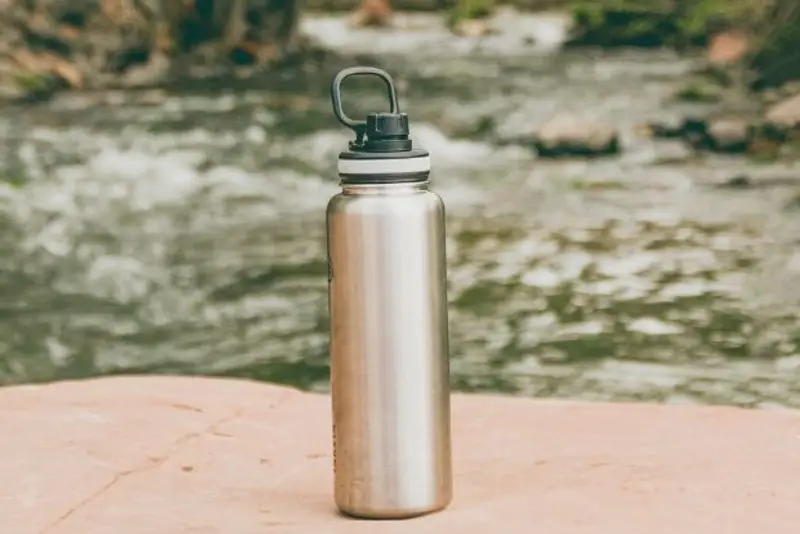
Stay hydrated! To avoid buying tons of unnecessary plastic water bottles every time you’re thirsty, bring a reusable water bottle to fill up along the way.
Likewise, we recommend bringing a reusable mug for your coffees or teas so that you don’t create unnecessary waste with single-use takeaway cups each time you need your caffeine fix.
We say keep your friends close, and your snacks closer, because what’s a road trip without a good supply of SCCHHHNACKS! You’re welcome to bring as many snacks as you desire on the bus, so get creative and try some local snacks during your road trip stop-offs. Bonus tip: Grab a Tim Tam or two from the local shops and share with everyone. Guaranteed, you'll be the star in the group!
Save the sea, and say no to plastic! If you’re out buying snacks during the trip or souvenirs for the fam back home, say no to a plastic bag and carry around a tote bag wherever you go!
And that’s a wrap! Hopefully, you’re now feeling fully ready to take on your next adventure with all packing-stresses aside.
One main bag (backpack or suitcase, your choice), plus a smaller day bag you can bring inside the vehicle as carry-on. Our vehicles have a trailer for the main luggage.
If you're travelling with Wild Kiwi as part of a longer trip and have excess bags, you'll need to arrange storage at your own cost while you're on tour, get in touch with our team and we can help point you in the right direction.
It depends on your passport. Most visa-waiver visitors need an NZeTA arranged online before departure, along with the International Visitor Levy. Australian citizens don't need either, under the Trans-Tasman Travel Arrangement. Check your specific requirements well ahead of your trip.
It's not included in your Wild Kiwi tour price, but we strongly recommend it, covering your health, valuables, or both.
All our buses have USB charging and WiFi on board, so you don't need a power bank for the road (though it's handy for full days out). Towels are available for a small fee at most hostels, though we'd still suggest packing a beach towel for day excursions.
Don't stress, outdoor and general stores are easy to find in Auckland, Queenstown and most towns along typical tour routes, so a forgotten charger or rain jacket is an easy fix once you're here.
Adventure Adventure
 Premium
 Premium
 Adventure
 Premium
 Adventure
 Premium
 Premium
 Adventure
 Adventure
 Premium
 Premium
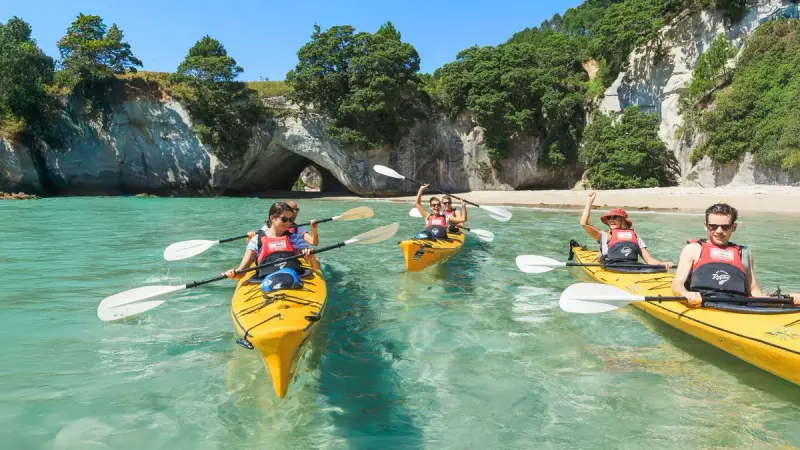 Adventure
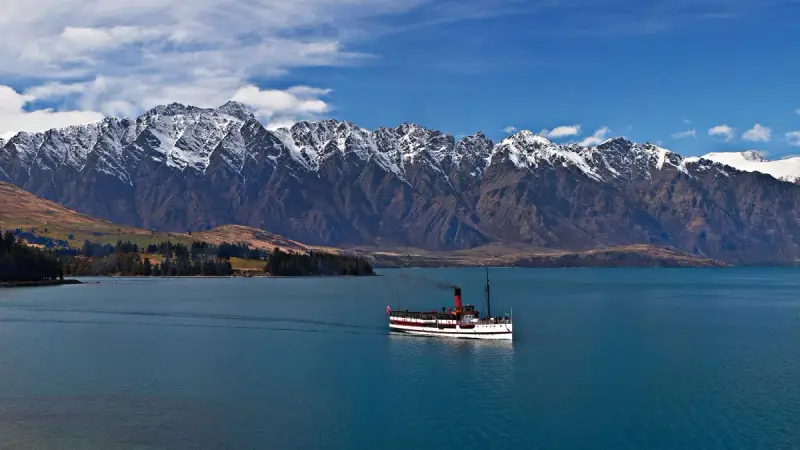 Premium
 Premium
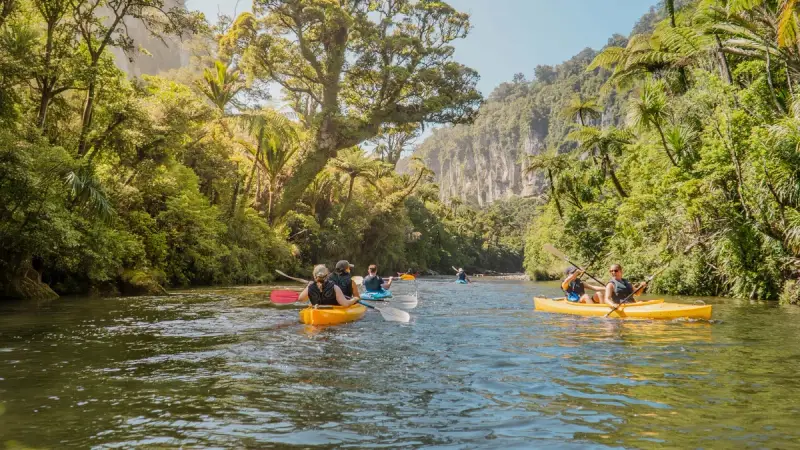 Adventure
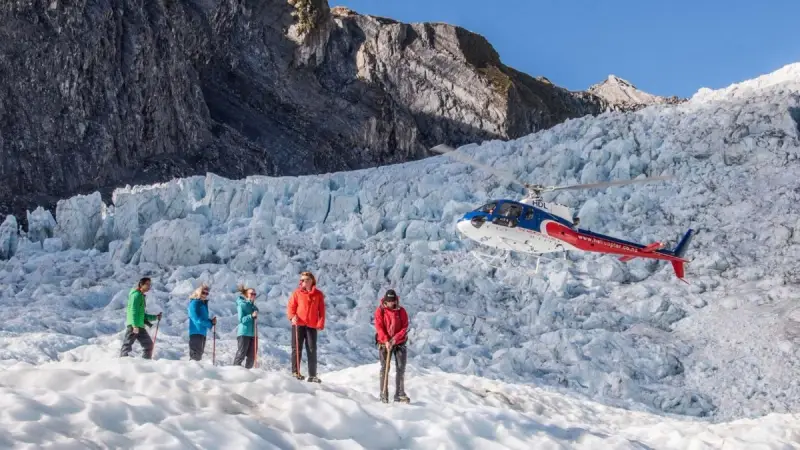 Adventure
 Adventure
 Premium
 Adventure
 Adventure
 Adventure
 Adventure
 Premium
 Day
Day Day
Day Day
Day Day
DayOpening Hours:
8:30am - 5:00pm
Address:
127 Franklin Road
Freemans Bay
Auckland 1011, NZ
Phone:
Email:
Opening Hours:
8:30am - 5:00pm
Address:
127 Franklin Road
Freemans Bay
Auckland 1011, NZ
Phone:
Email: