EARLY BIRD
 Adventure
Southern Voyager
7 Days
Departs Christchurch
For 18 to 39 year olds
12% OFF
From $1,990 NZD$2,249 NZD
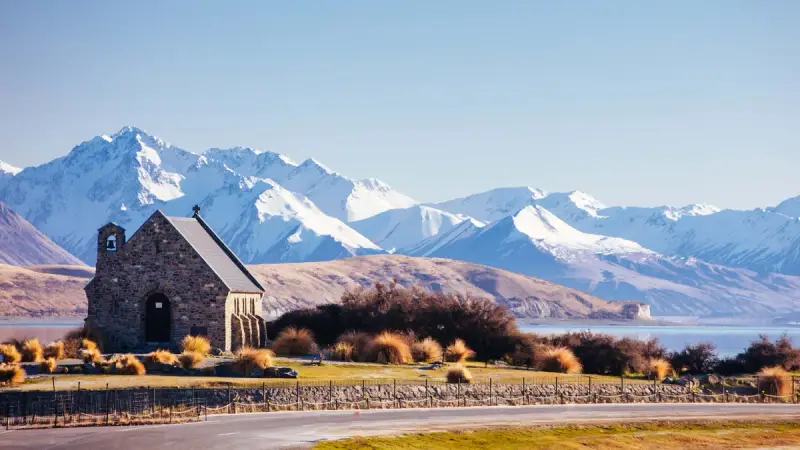
By Ryan Brown published on 30 April 2026
Winter changes New Zealand in the best possible way.
The South Island gets sharper. Mountain roads feel more dramatic. Lakes sit under snow-dusted peaks. Fjords turn misty. Hot pools feel better. Night skies get darker and stars more visible. Coastal wildlife experiences, like whale watching in Kaikōura, come with the bonus of crisp air and mountain views behind the sea.
And the best part? You do not need to be a skier to enjoy it.
If you’re planning a trip and searching for the best things to do in New Zealand in winter, this guide will help you work out what is actually worth adding to your itinerary. From Lake Tekapo stargazing and Rotorua geothermal experiences to Milford Sound, Queenstown, Franz Josef Glacier, hot pools, glowworms and winter road trips, there is far more to the season than snow sports.
Winter in New Zealand is quieter than summer, but not sleepy. It is scenic, active, atmospheric and surprisingly varied. You can chase adventure one day, slow down in warm water the next, then spend the evening looking up at some of the clearest skies you’ve ever seen.
Here’s how to plan a winter trip that feels full, flexible and worth the flight.
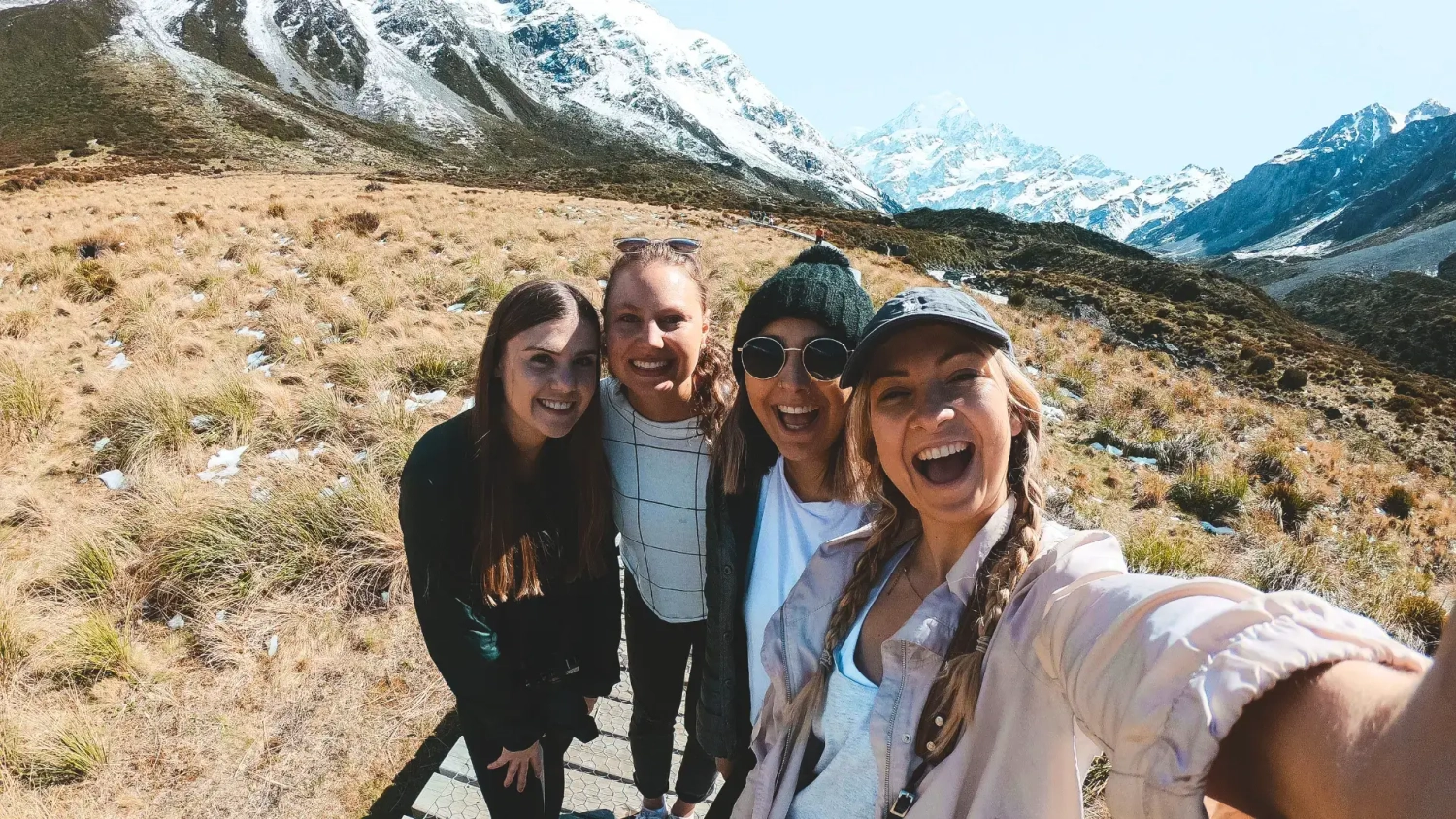
Winter in New Zealand runs from June to August.
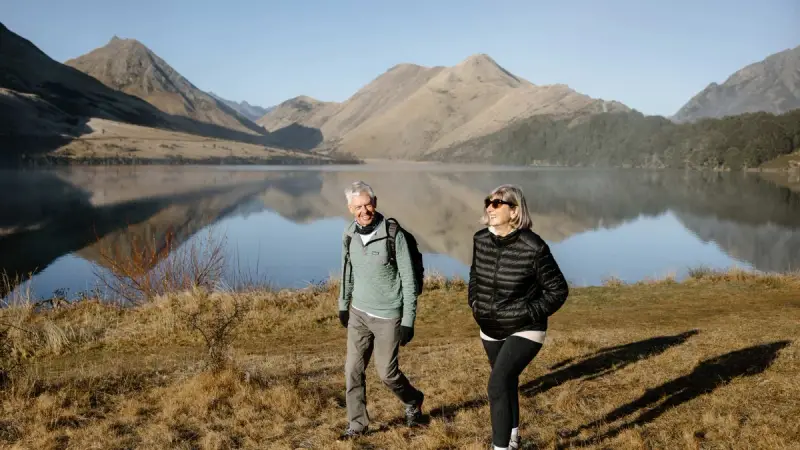
The South Island usually gets the coldest weather, especially around Queenstown, Wānaka, Lake Tekapo, Aoraki Mount Cook and the Southern Alps. This is where you’ll find snowy peaks, crisp mornings and classic alpine views.
The North Island is generally milder, although you can still get cold, wet and windy days, especially in higher areas like Tongariro National Park. Rotorua, Auckland and Wellington tend to stay more temperate, which makes the North Island a good option if you want winter atmosphere without going full snow mode.
Pack layers, keep your plans flexible and expect the weather to change. That is part of travelling New Zealand in winter.
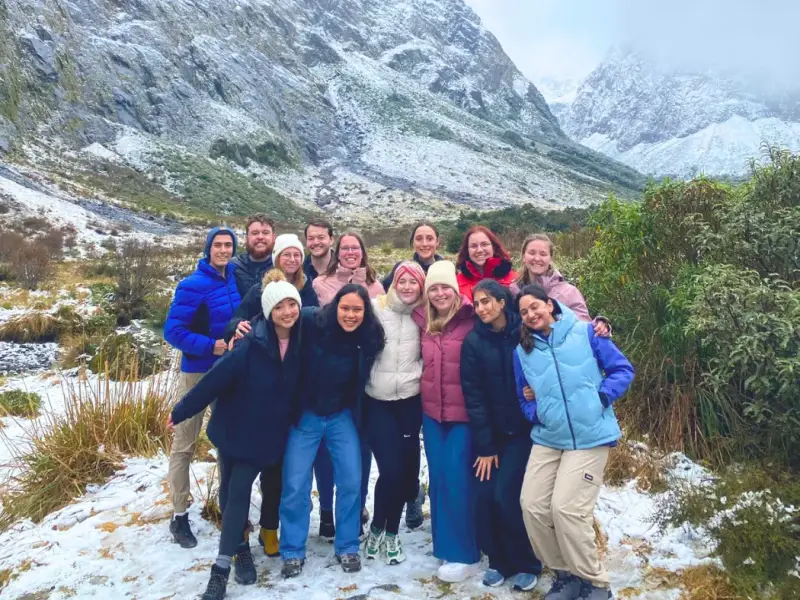
Winter gives New Zealand a different pace.
There are fewer crowds than peak summer, especially in popular places like Milford Sound, Queenstown, Lake Tekapo and the West Coast. The landscapes feel more dramatic, the light is softer and the contrast between warm experiences and cold scenery makes the whole trip feel more memorable.
It is also a brilliant season if you like variety. You can start the day with a short alpine walk, spend the afternoon in a hot pool, then finish with stargazing or a cosy dinner in a mountain town. In the North Island, you can swap snow-capped views for geothermal steam, Māori culture, glowworm caves and forest walks.
For adventure travellers, winter brings big scenery and active days. For premium travellers, it brings slower mornings, boutique stays, wine regions, wellness experiences and the kind of views that make you want to linger.
Winter is not the off-season. It is the season for travellers who like a little atmosphere with their adventure.
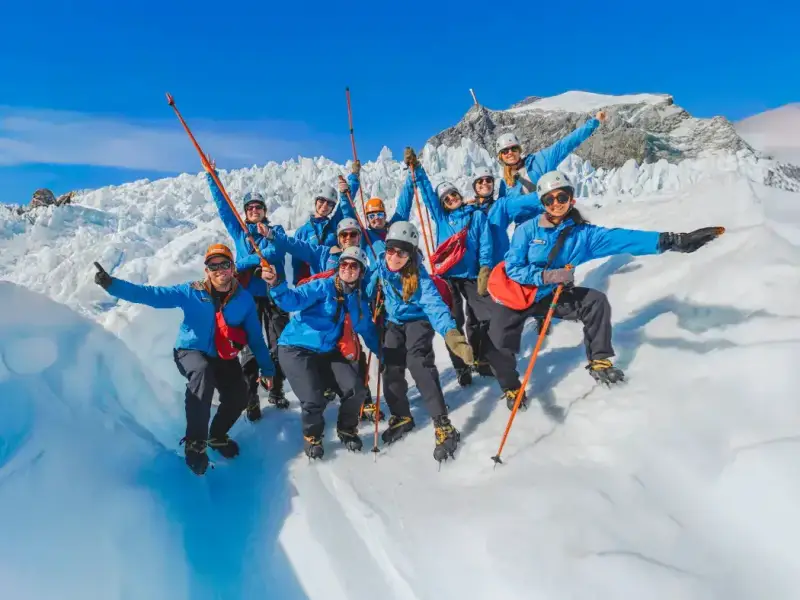
Use this list as a starting point for your winter itinerary. Some experiences are best for clear skies, some are better after rain, and some are ideal when you want a slower day between bigger adventures.
Stargazing in Lake Tekapo or Queenstown
Best for clear winter nights and dark-sky moments.
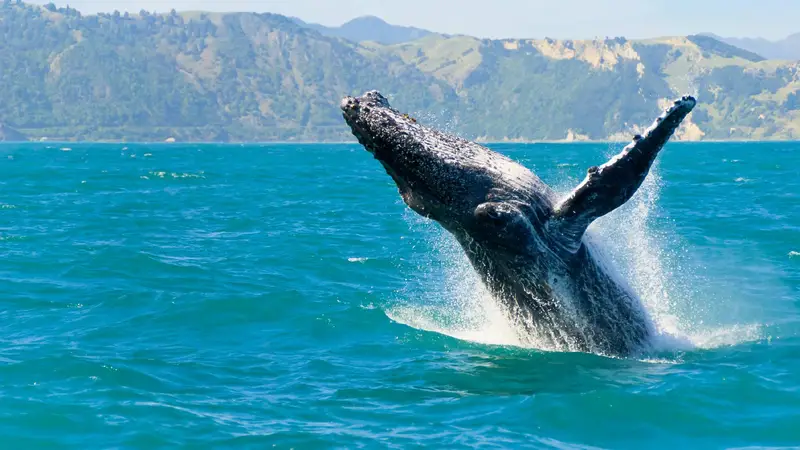
Whale watching in Kaikōura
Best for wildlife, coastal scenery and a winter experience away from the ski fields.
Hot pools and geothermal bathing
Best after cold-weather exploring, long drives or active days outside.
Milford Sound in winter
Best for mist, waterfalls, dramatic cliffs and fewer peak-season crowds.
Queenstown beyond the ski fields
Best for jet boating, lake views, wineries, gondola rides, Arrowtown and winter adventure.
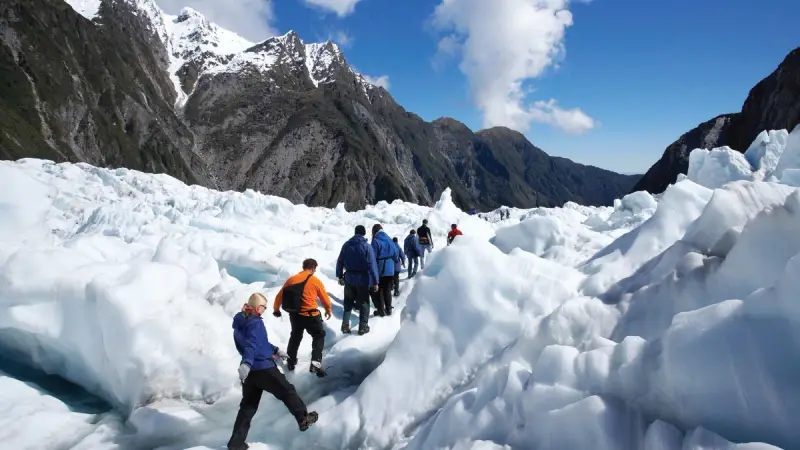
Franz Josef Glacier and the West Coast
Best for rainforest, glacier valleys, moody weather and wild coastal landscapes.
Rotorua’s geothermal landscapes and Māori culture
Best for warmth, culture, steam, hot pools and North Island winter travel.
A South Island winter road trip
Best for snow-capped peaks, blue lakes, alpine towns and big scenic drives.
The best winter trip is not about ticking everything off. It is about choosing the right mix of scenery, adventure, wildlife and downtime so the itinerary feels exciting without becoming exhausting.
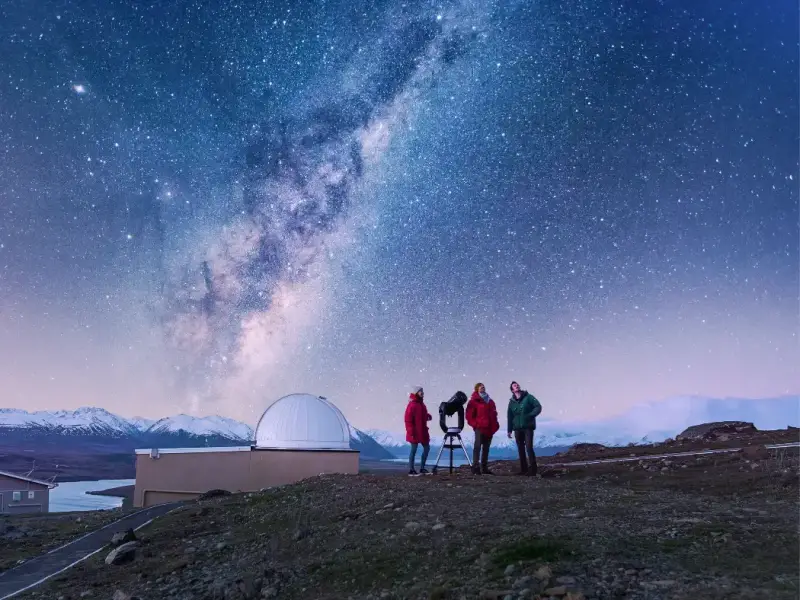
Noctourism is one of the biggest travel trends right now, and New Zealand is made for it.
The idea is simple: instead of ending the day when the sun goes down, you travel for the night-time experience. Stargazing, glowworms, dark-sky reserves, moonlit landscapes, night photography and evening hot pools all fit perfectly into a New Zealand winter trip.
Lake Tekapo and the wider Mackenzie region are some of the best places in New Zealand for stargazing. Queenstown also has excellent winter stargazing moments, especially once you get away from the brightest parts of town.
Wild Kiwi tip: Pack one proper warm layer just for nights outside. Clear winter skies are stunning, but they are not warm.
Best for: stargazers, photographers, couples, solo travellers and anyone who wants a winter experience that feels completely different after dark.
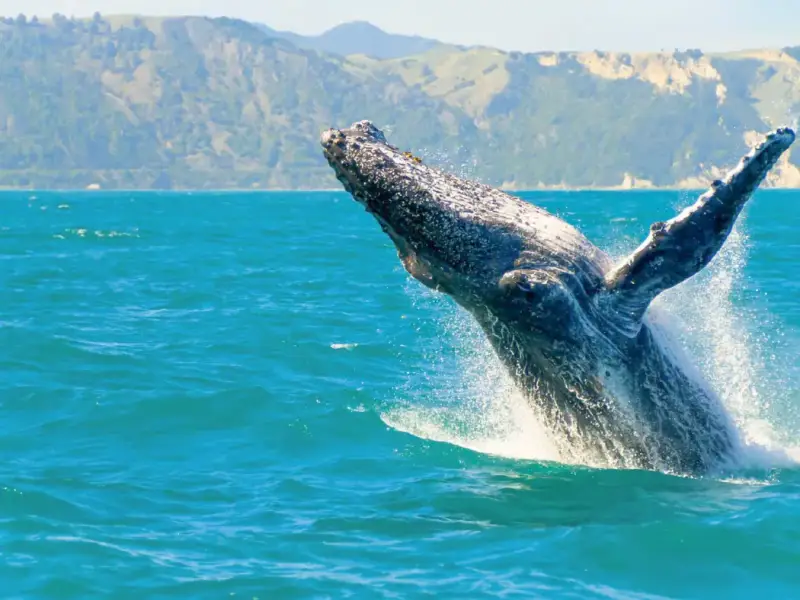
Kaikōura deserves a proper place in any New Zealand winter travel guide, and winter is the best time for whale watching in New Zealand.
This small coastal town on the South Island is one of the world’s great whale watching destinations, thanks to the deep Kaikōura Canyon just offshore. You don't even have to travel far out to sea before you are in serious marine-life territory.
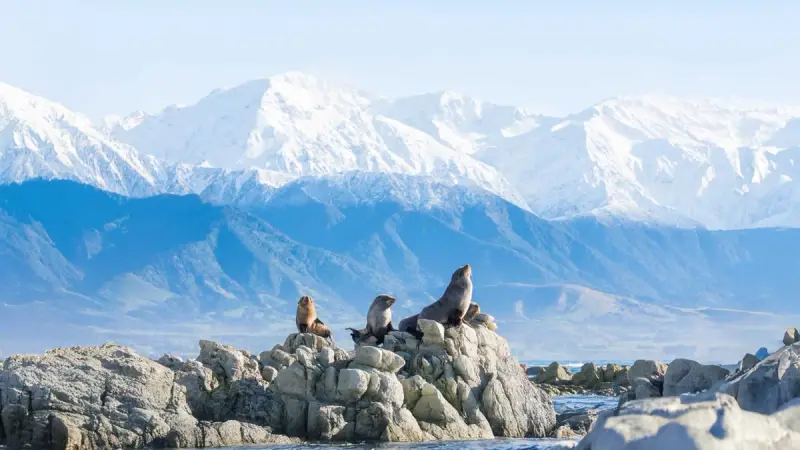
Sperm whales can be seen here year-round, while winter can also bring migrating humpback whales. You may also spot dusky dolphins, fur seals and albatross, with the Seaward Kaikōura Range rising behind the coastline.
Best for: wildlife lovers, photographers, non-skiers and travellers who want a South Island winter experience beyond the usual alpine stops.
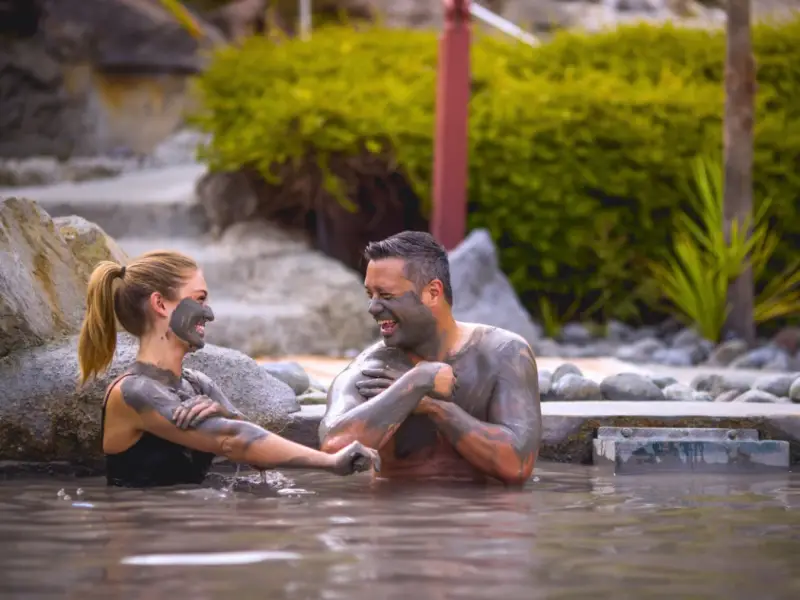
Hot pools are one of New Zealand’s greatest winter gifts.
There is something deeply satisfying about being outside in cold air while sitting in naturally warm water, especially after a day of exploring.
Rotorua is the geothermal heavy hitter, with steaming landscapes, mineral pools and bubbling mud. Hanmer Springs is a winter favourite in the upper South Island, while Queenstown and Wānaka bring the alpine hot pool feeling with mountain views.
For adventure travellers, hot pools are the reward after a cold day outside. For premium travellers, they are a very good reason to slow the trip down.
Best for: cold-weather travellers, post-adventure recovery, premium winter trips and anyone who likes their scenery with a side of warm water.
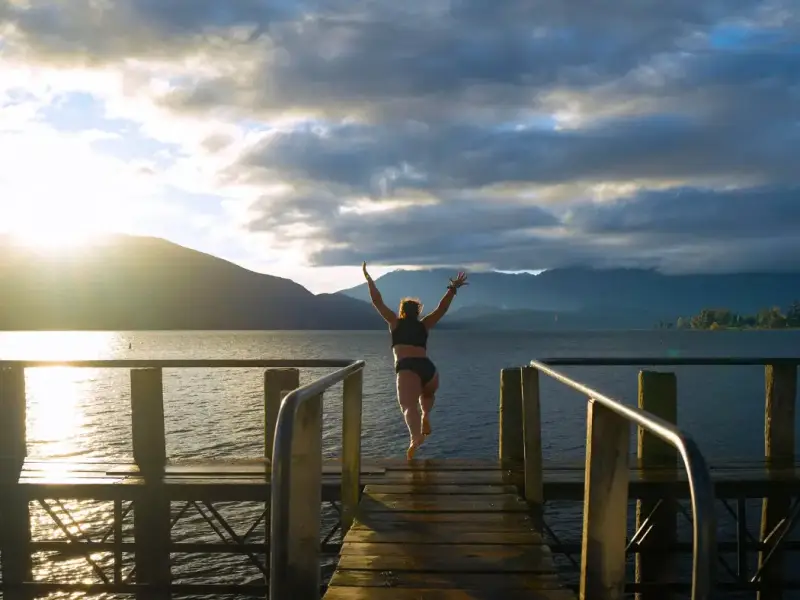
New Zealand’s sauna and cold plunge scene has been quietly heating up.
Travellers are finding mobile saunas, beachside saunas, lakefront wellness experiences and hot-cold rituals that fit perfectly with winter. It is part wellness, part social experience, part “why did I agree to get into freezing water?” character test.
Want to be more daring? Try out a cold water swim at one of your stops, like Lake Tekapo, for an exhilarating dip that isn't too far away from your accommodation.
This is also a smart winter travel trend because it gives people what they increasingly want from a trip: something that feels good, photographs well and helps disconnect from daily noise.
Best for: wellness travellers, cold-water fans, social reset moments and anyone who wants a fresh take on winter travel.
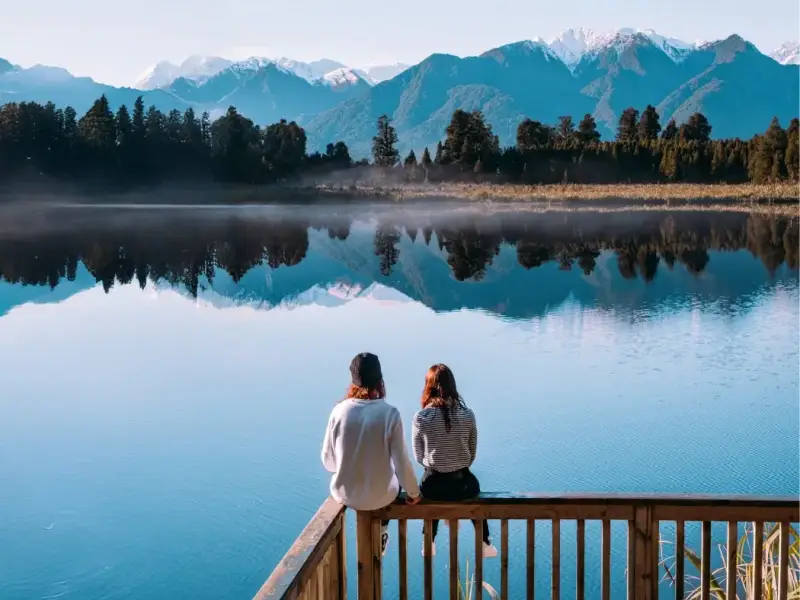
New Zealand is one of the easiest places in the world to accidentally forget about your phone.
Not because there is nothing to post. Quite the opposite. It is because the landscapes have a habit of pulling your attention back into the real world.
Winter makes that even easier. The days are shorter. The air is colder. Evenings feel cosier. You are less tempted to cram every hour with activity and more likely to enjoy a proper conversation, a scenic drive or a night sky that makes scrolling feel pointless.
You do not have to throw your phone into Lake Wakatipu. Please don’t. Just give yourself a few hours each day where the only thing you are checking is the view.
Best for: solo travellers, busy brains, burnt-out planners and anyone who wants their trip to feel like an actual reset.
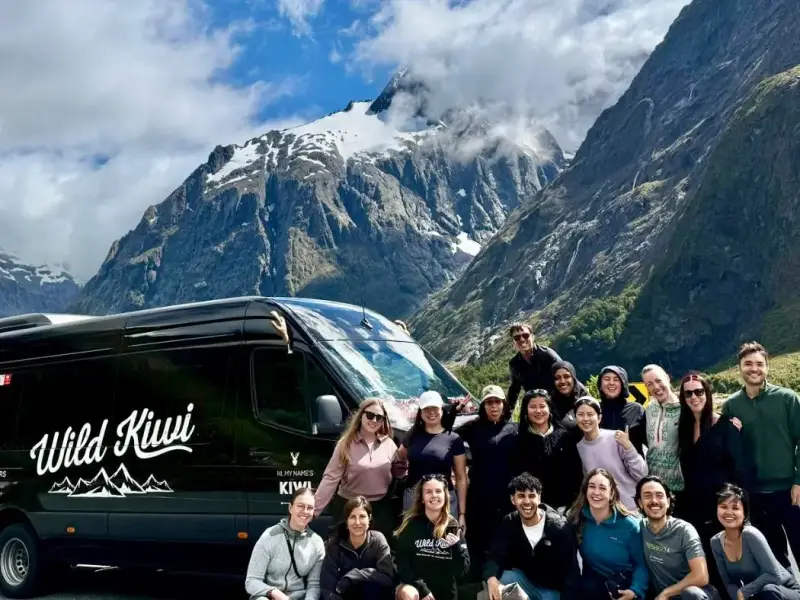
If you have heard the word “coolcation” floating around, New Zealand fits the idea beautifully.
A coolcation is travel built around cooler climates, fresh air and escaping intense summer heat elsewhere. For Northern Hemisphere travellers, New Zealand’s winter lines up with summer back home, which makes it a smart option if you want mountain air instead of heatwaves and crowded beaches.
Think crisp South Island mornings, snow-capped peaks, hot pools, stargazing, whale watching and scenic roads instead of packed European coastlines.
New Zealand winter travel is not about hiding from the cold. It is about choosing a better kind of cold. The kind with scenery attached.
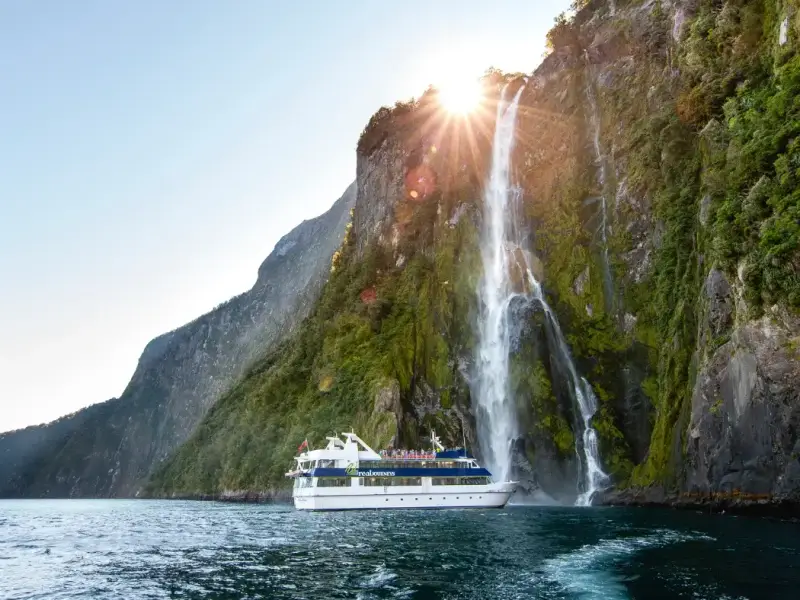
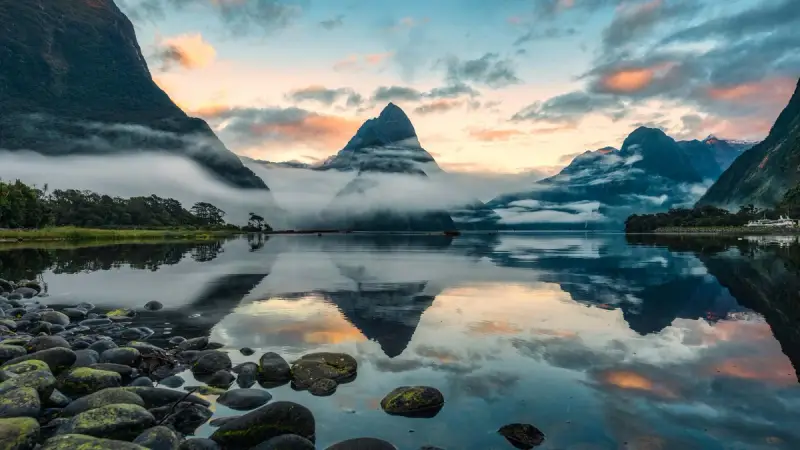
Milford Sound is spectacular year-round, but winter gives it a darker, moodier edge.
The cliffs feel bigger. The mist hangs lower. Waterfalls can spill down the rock faces after rain, and the whole place feels wild in the best way.
Winter can also mean fewer visitors compared with peak summer, which is a major bonus for one of New Zealand’s most famous places. You still need to plan properly, especially around weather and road conditions, but the payoff can be huge.
Best for: first-time visitors, photographers, nature lovers and travellers who want New Zealand’s winter landscapes at their most dramatic.
Milford Sound is one of New Zealand’s most iconic winter experiences, and it pairs beautifully with a wider South Island itinerary.
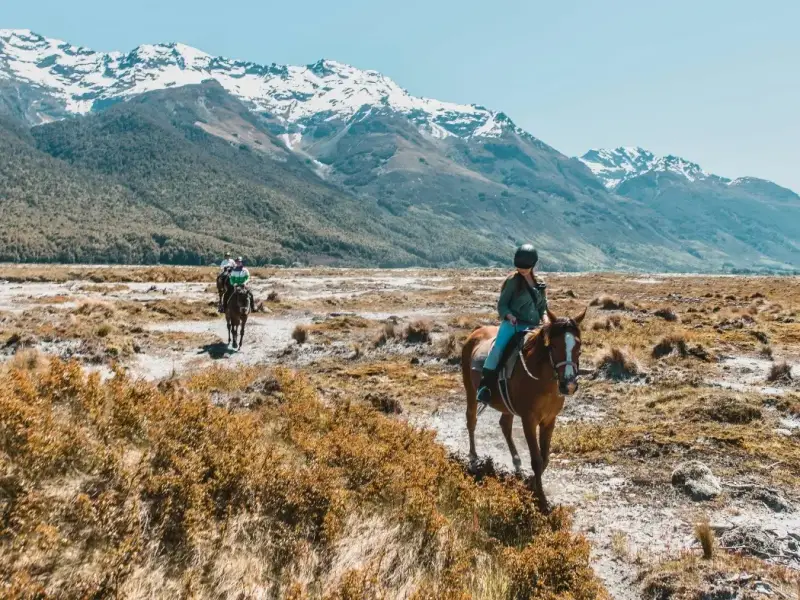
Queenstown is New Zealand’s winter capital for a reason.
Yes, the ski fields are a major draw. But Queenstown is also brilliant for non-skiers because the town has so much happening around the snow season.
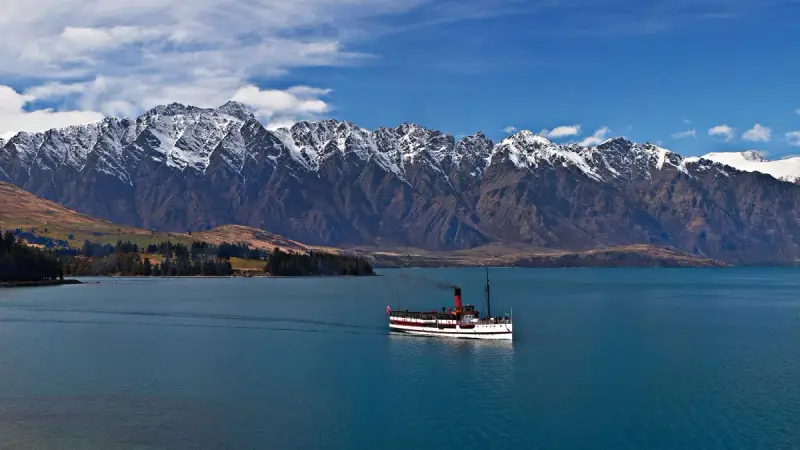
You can go jet boating, ride the gondola, go horse riding, try the luge, take on a bungy jump, cruise Lake Wakatipu, explore Arrowtown, visit wineries in Gibbston Valley or relax in hot pools after a cold day outside.
The best part? You can spend days here and never once have to pretend you know what “carving” means.
Best for: adventure travellers, non-skiers, food and wine lovers, premium travellers and anyone who wants winter energy without spending every day on the slopes.
If Queenstown is high on your list, look for routes that give you enough time to enjoy the town without rushing through the surrounding landscapes.
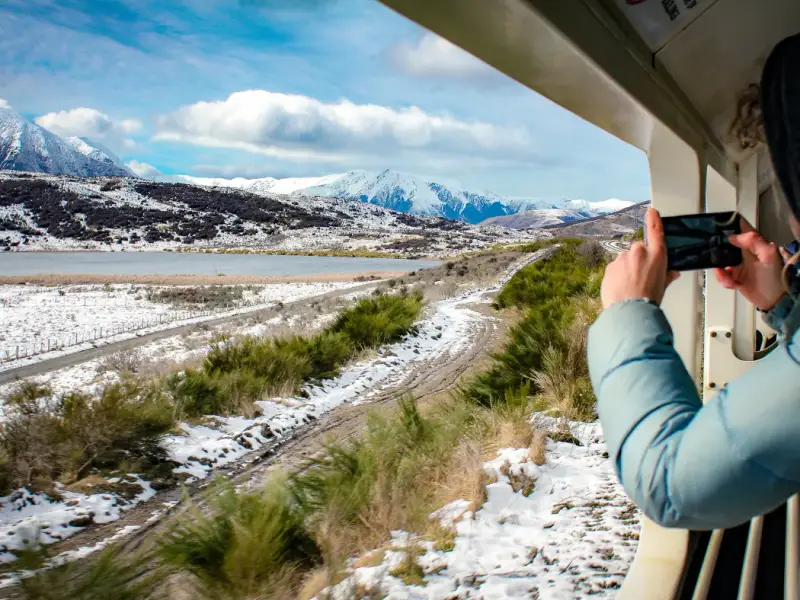
If you are coming to New Zealand in winter, the South Island is where the landscapes really start flexing.
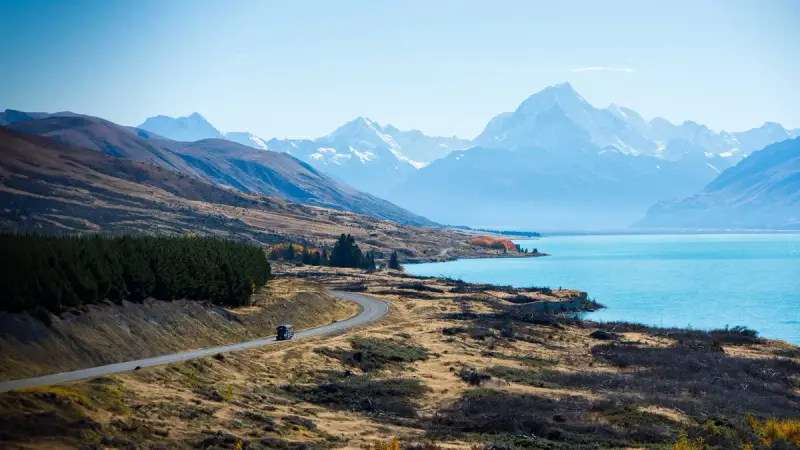
This is where you get the classic alpine drama: snow-capped peaks, blue lakes, golden tussock, braided rivers, glacier valleys and roads that make every playlist feel more emotional than it has any right to be.
Given the TranzAlpine train was just voted one of the best rail journeys in the world, this is a spectacular way to take in more.
Then there's Lake Tekapo, a winter favourite for stargazing and alpine colour. Aoraki Mount Cook brings huge mountain scenery and short scenic walks when conditions allow. Wānaka has lake views, mountain hikes and an easygoing winter feel. The West Coast gives you rainforest, glaciers and rugged coastline all in one moody package.
The South Island is perfect for travellers who like the journey as much as the destination.
Planning a South Island adventure? Explore our South Island tours to see how Wild Kiwi connects alpine scenery, lakes, national parks and classic New Zealand road trip stops.
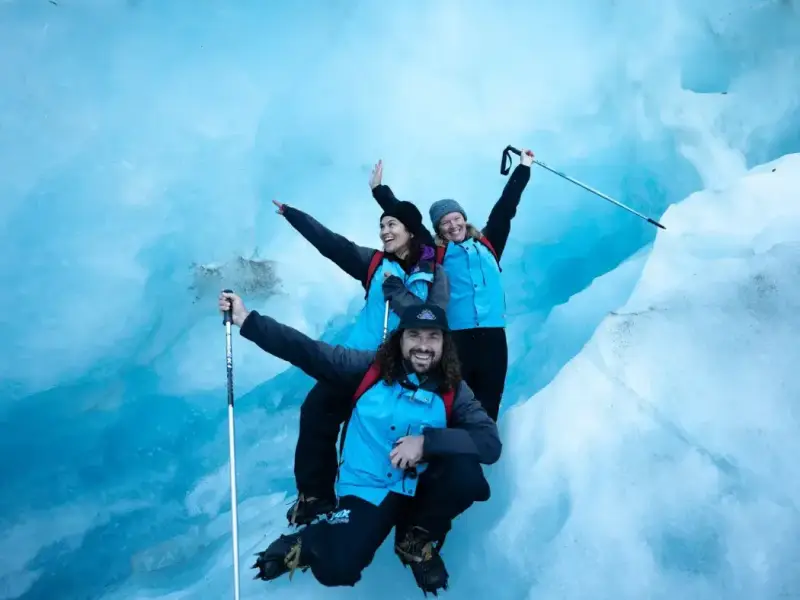
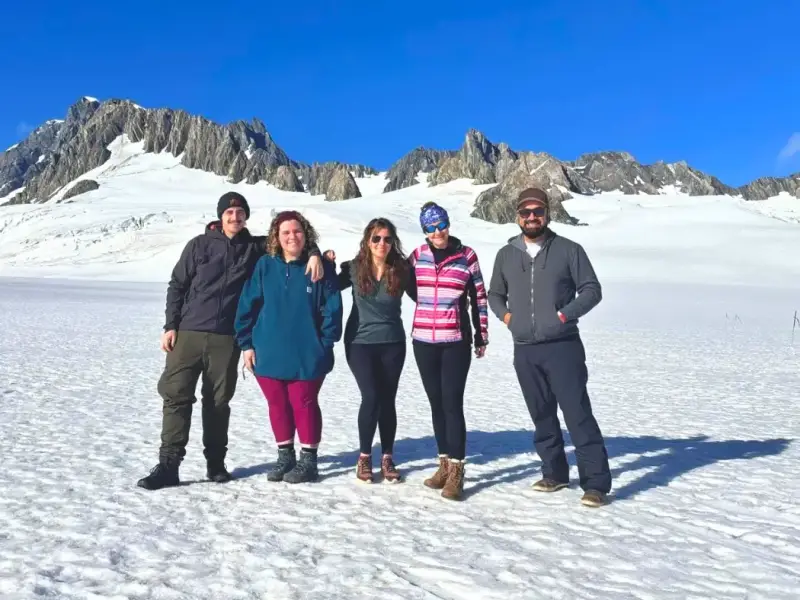
Franz Josef Glacier is one of the best places to understand how varied New Zealand winter can be.
One minute you are surrounded by rainforest. The next, you are looking towards a glacier valley. Add low cloud, mountain weather and the raw feel of the West Coast, and it becomes one of the most memorable winter stops in the country.
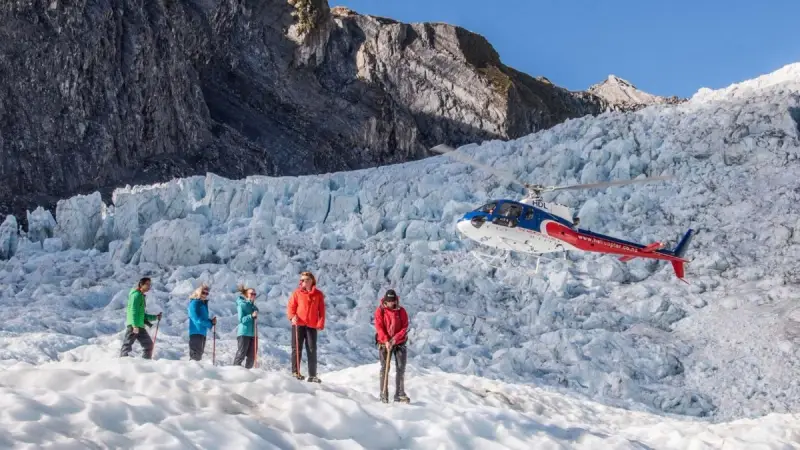
The glacier region is ideal for travellers who want winter adventure without relying only on snow sports. Scenic flights, glacier experiences, short walks, hot pools and rainforest trails all give the area strong winter appeal.
The West Coast can be wet, wild and unpredictable, but that is part of the atmosphere. Bring a waterproof jacket, proper shoes and a flexible mindset.
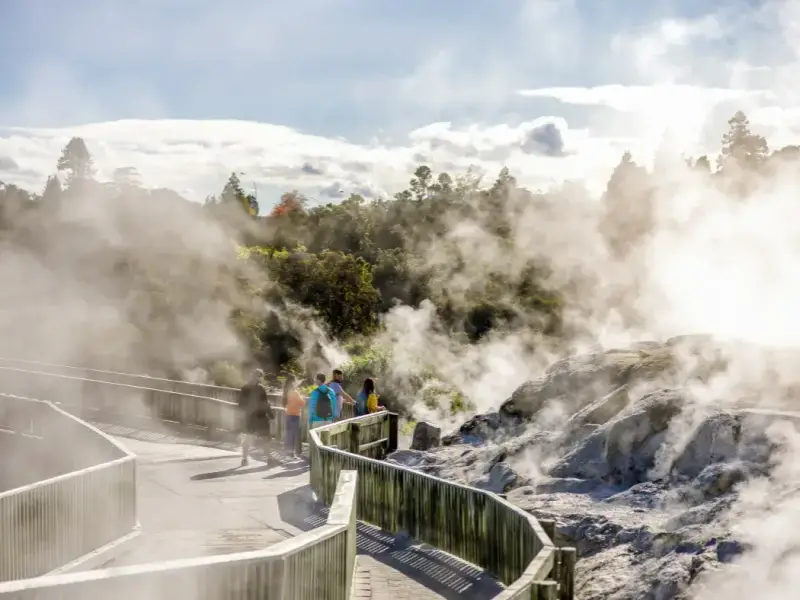
Rotorua is one of the best North Island destinations for winter because the whole place comes with natural heat.
Steam rises from the ground. Geothermal pools bubble away. Mud pools pop and gurgle. The air carries that unmistakable sulphur smell that lets you know the Earth is doing things.
Rotorua is also one of the most important places in New Zealand for Māori culture, which makes it much more than a wellness stop. Travellers can learn about te ao Māori, experience cultural performances, visit geothermal valleys and understand more about the stories, traditions and living culture of Aotearoa.
In winter, Rotorua works especially well because it offers warmth, culture, nature and all-weather experiences.
Best for: culture, geothermal landscapes, hot pools, Māori experiences and North Island winter travel.
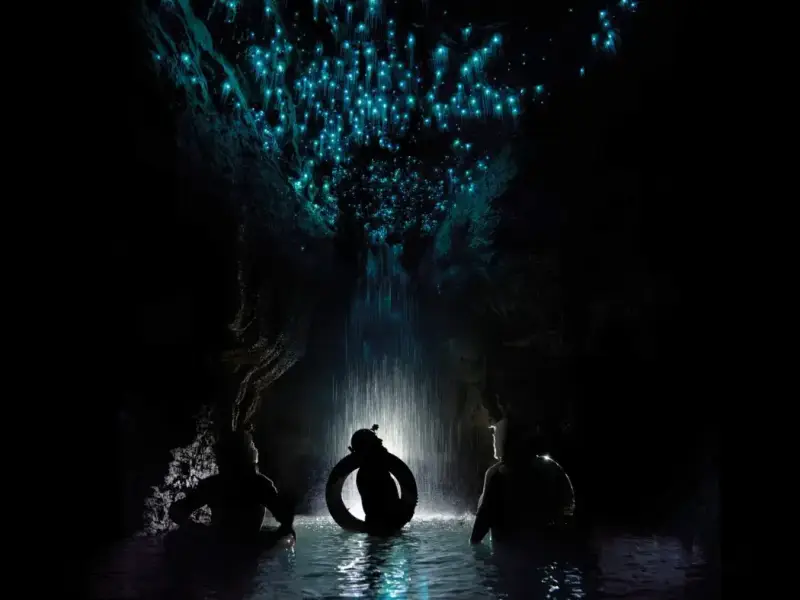
Glowworms are another brilliant way to lean into noctourism.
Waitomo is the most famous place to see them, with caves lit by tiny blue-green points of light. It is one of those experiences that sounds unusual until you are there, floating quietly in the dark, wondering why every ceiling does not come with glowworms.
Winter is a good time to add glowworms into a New Zealand itinerary because the experience is not dependent on sunny weather. It also pairs well with other North Island stops, including Rotorua and Hobbiton.
For travellers looking for New Zealand winter activities beyond skiing, glowworms are an easy yes.
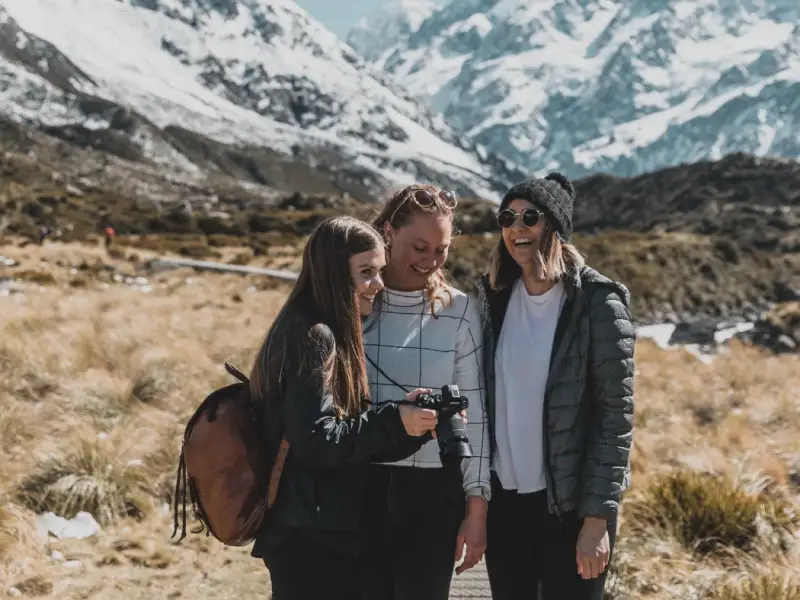
Packing for winter in New Zealand is mostly about layers.
You want clothes that can handle cold mornings, sunny afternoons, wet weather and sudden temperature changes. A good waterproof jacket is essential, especially if you are heading to Milford Sound, the West Coast or anywhere with mountain weather.
Pack:
The simple rule: dress like someone who understands weather can be dramatic, but does not want to make a big deal about it.
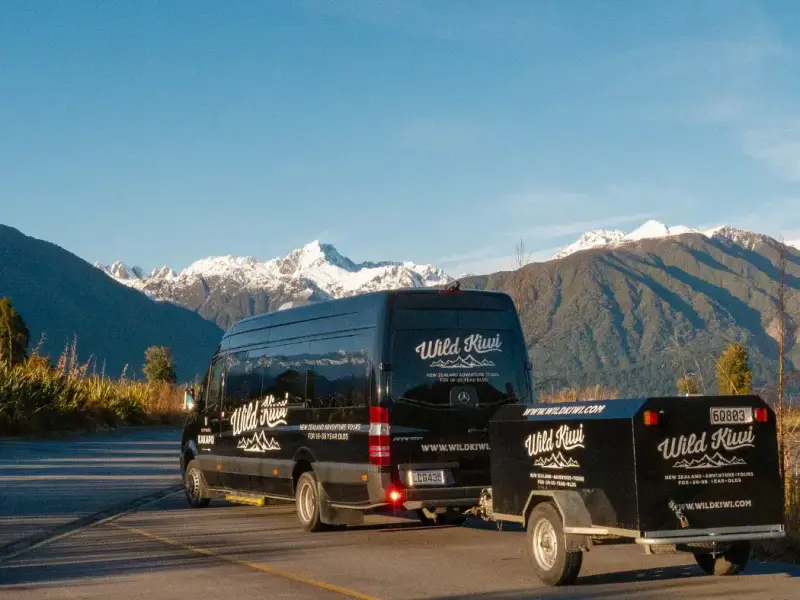
New Zealand winter rewards travellers who stay flexible.
A clear night might be perfect for Lake Tekapo stargazing. A moody day might make Milford Sound look even better. A cold afternoon might turn into a hot pool session. A coastal stop might surprise you with whales, seals or mountain views you did not expect.
That is part of the fun, but it is also where planning matters.
With Wild Kiwi, you get the adventure without having to manage every moving part yourself. The route, transport and key logistics are taken care of, so you can focus on the good bits: the views, the stops, the people, the photos and the hot pool after a cold day outside.
It is especially useful in winter, when road conditions, weather windows and travel timing can make a big difference. Instead of stitching together buses, accommodation and activities on your own, you travel with a small group and a guide who knows how to keep the trip moving.
Less winter travel admin. More alpine roads, hot pools, wildlife stops, starry nights and people to share it with.
If you want snow-capped mountains, whale watching, stargazing, hot pools, glacier country and South Island road trip moments without planning every detail yourself, Wild Kiwi is a pretty good place to start.
If winter in New Zealand sounds like your kind of trip, Wild Kiwi can help you do it properly.
Our small group New Zealand tours are designed for travellers who want the big landscapes, local stops, social atmosphere and route planning sorted, without losing the freedom and excitement that make travel feel good in the first place.
Come for the snow-capped mountains. Stay for the hot pools, wild coastlines, starry skies, glacier valleys, Queenstown energy and the kind of road trip moments you cannot really plan from a spreadsheet.
Explore our New Zealand tours and find the winter route that fits your travel style!
Yes, winter is a brilliant time to visit New Zealand, especially if you want snow-capped mountains, hot pools, stargazing, fewer crowds and dramatic South Island scenery. It is also a great season for travellers who want a cooler, quieter alternative to busy summer destinations.
Some of the best winter activities in New Zealand include stargazing in Lake Tekapo, soaking in hot pools, whale watching in Kaikōura, visiting Milford Sound, exploring Queenstown, seeing glaciers on the West Coast, experiencing Rotorua’s geothermal landscapes and taking a scenic South Island road trip.
Absolutely. New Zealand is one of the best winter destinations for non-skiers. You can enjoy hot pools, fjords, glowworm caves, geothermal parks, wineries, short walks, stargazing, glacier country, wildlife experiences and beautiful alpine towns without skiing at all.
Winter in New Zealand runs from June to August. July is usually one of the coldest months, especially in the South Island and alpine regions.
Yes, winter can be a brilliant time for whale watching in Kaikōura. Sperm whales can be seen year-round, while the colder months may also bring migrating humpback whales. You may also see dolphins, fur seals and seabirds, with snow-capped mountains adding to the scenery.
Yes, Queenstown is still worth visiting in winter even if you do not ski. You can go jet boating, ride the gondola, try the luge, visit wineries, cruise Lake Wakatipu, explore Arrowtown, relax in hot pools and enjoy some of New Zealand’s best mountain scenery.
Yes, it snows in parts of New Zealand during winter, especially in alpine areas of the South Island and around ski regions such as Queenstown, Wānaka, Canterbury and the Central Plateau in the North Island. Many towns do not get regular snow, but nearby mountains often do.
Milford Sound can be incredible in winter. The scenery feels dramatic, waterfalls can be powerful after rain and there are often fewer visitors than in peak summer. Weather can affect road conditions, so it is best visited with proper planning.
Pack warm layers, a waterproof jacket, comfortable walking shoes, thick socks, a beanie, gloves, sunglasses, sunscreen and a reusable water bottle. New Zealand weather can change quickly, so layers are much more useful than one heavy coat.
Yes, July is winter in New Zealand and can be cold, especially in the South Island, mountain towns and alpine areas. The North Island is usually milder, but you should still pack warm and waterproof clothing.
Yes, New Zealand is a strong coolcation destination for travellers who want fresh air, mountain scenery and cooler weather during the Northern Hemisphere summer. Winter brings alpine landscapes, hot pools, stargazing, wildlife and quieter travel experiences.
Adventure Adventure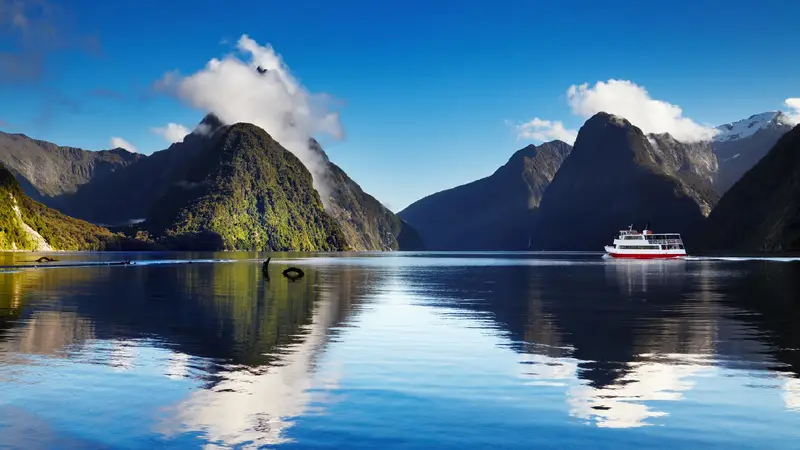
 Premium
 Premium
 Adventure
 Premium
 Adventure
 Premium
 Premium
 Adventure
 Adventure
 Premium
 Premium
 Adventure
 Premium
 Premium
 Adventure
 Adventure
 Adventure
 Premium
 Adventure
 Adventure
 Adventure
 Adventure
 Premium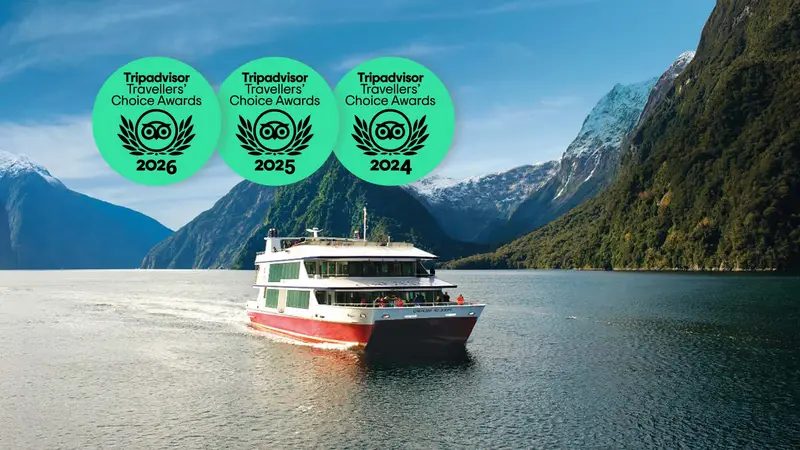
 Day
Day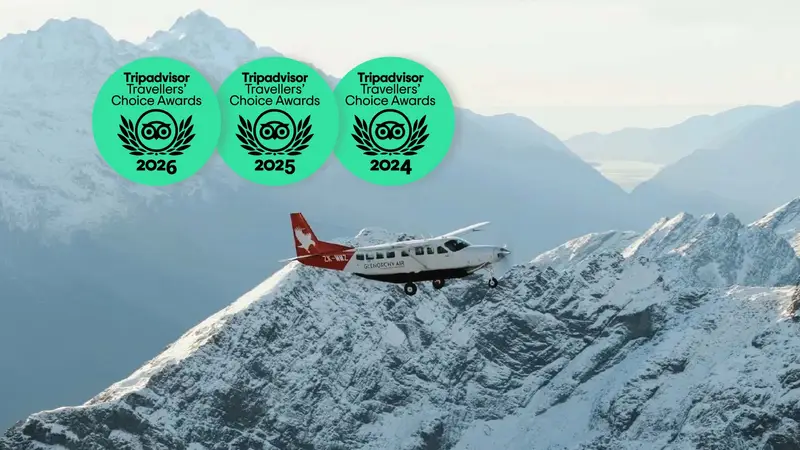 Day
Day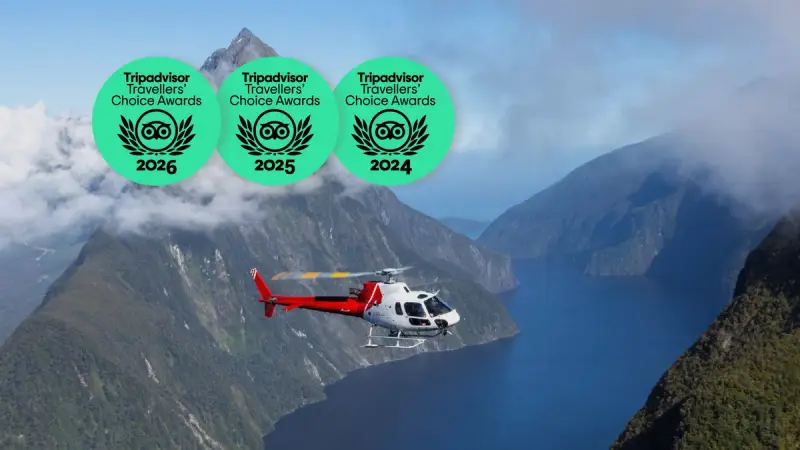 Day
Day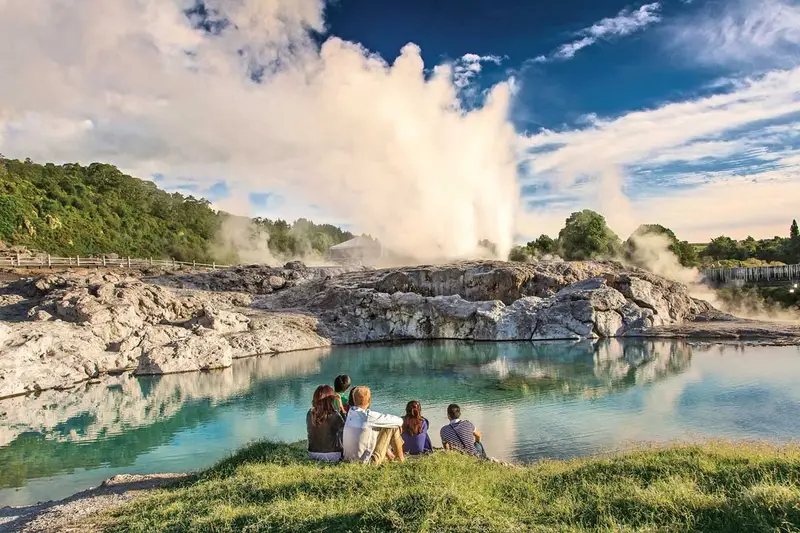 Day
DayOpening Hours:
8:30am - 5:00pm
Address:
127 Franklin Road
Freemans Bay
Auckland 1011, NZ
Phone:
Email:
Opening Hours:
8:30am - 5:00pm
Address:
127 Franklin Road
Freemans Bay
Auckland 1011, NZ
Phone:
Email: