EARLY BIRD
 Adventure
Southern Voyager
7 Days
Departs Christchurch
For 18 to 39 year olds
5% OFF
From $1,990 NZD$2,095 NZD
By Agung White published on 18 November 2026
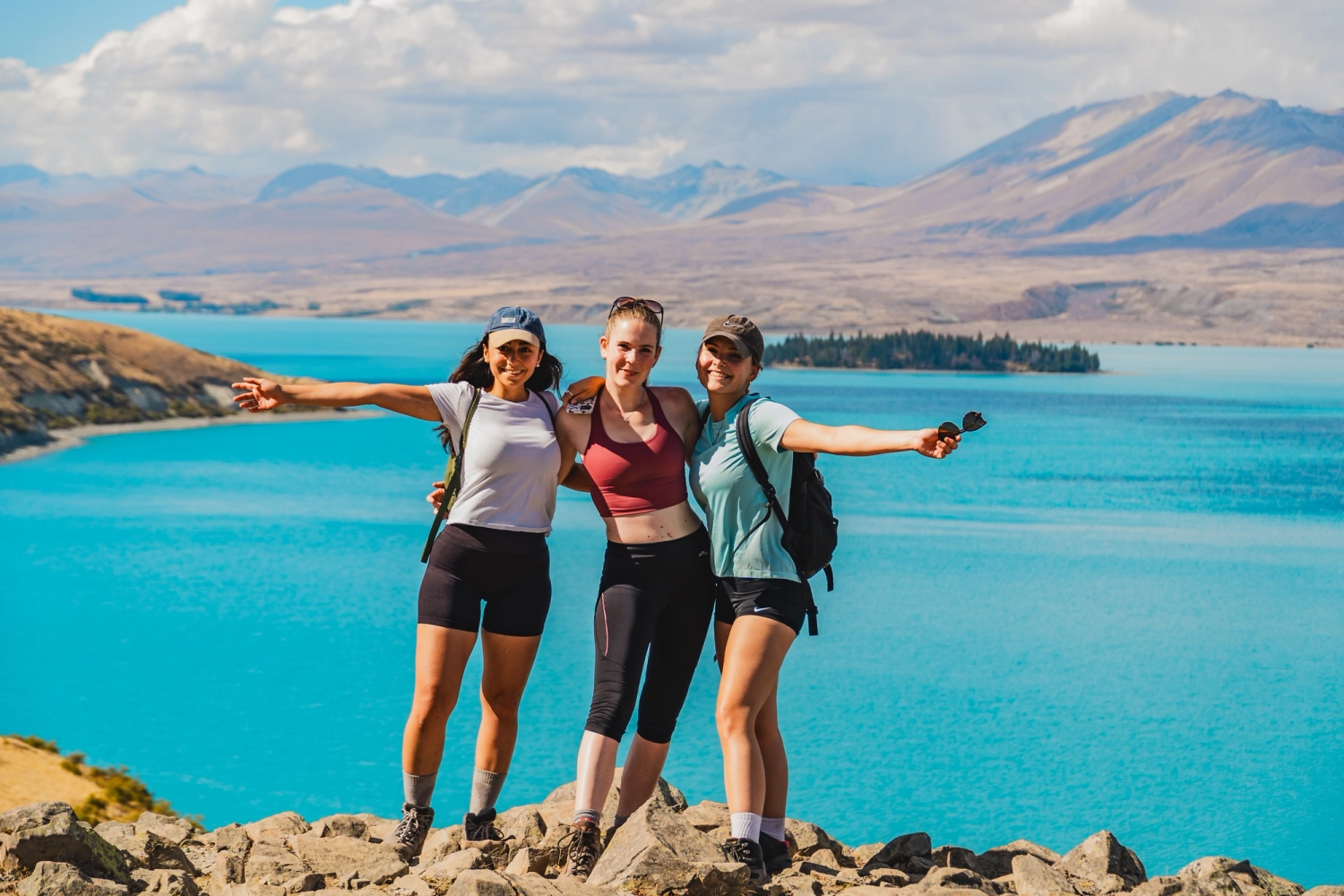
Yes, New Zealand is one of the safest countries on earth for a woman travelling alone. It ranked 2nd out of 163 countries on the 2026 Global Peace Index, the most peaceful nation in the Asia-Pacific, and violent crime against visitors is rare. That doesn't mean you skip the planning, though. The real risks here are quieter than you're probably picturing: tired driving on unfamiliar roads, isolated huts, the odd dodgy hostel dorm, not city streets. This guide covers what New Zealand's safety advice actually says, the precautions worth taking, and an honest look at self-drive versus hostel-hopping versus a small group, including when a group genuinely is the smarter call.
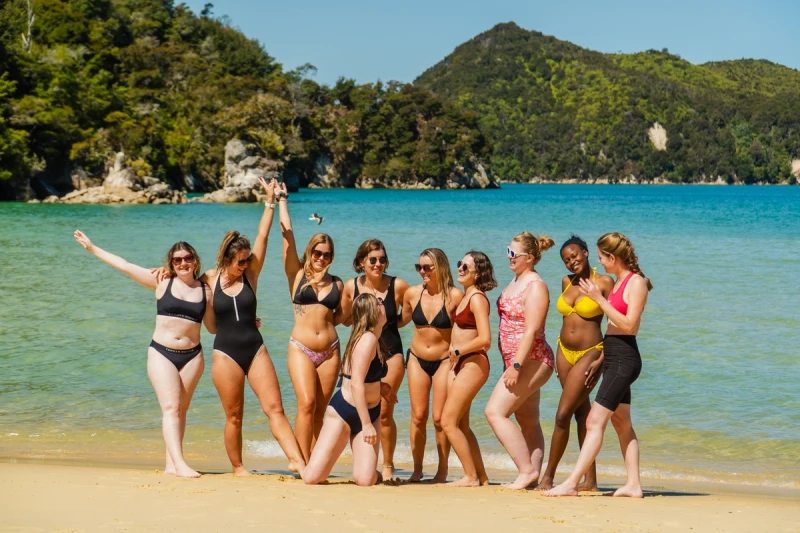
On paper, about as safe as it gets. New Zealand placed 2nd of 163 countries on the 2026 Global Peace Index, behind only Iceland, and it has held the top spot in the Asia-Pacific region for years running. That ranking measures things like violent crime, political stability and militarisation, not the specific experience of a woman travelling solo, but it's a genuinely useful proxy. Most visitor safety incidents here are opportunistic theft (an unlocked car, an unattended bag) rather than anything violent.
Here's the honest gap: New Zealand's own official safety guidance, on Tourism New Zealand's health and safety page, is written for everyone, not specifically for women travelling alone. It covers earthquakes, water safety and theft prevention well, but it doesn't address the things solo women actually ask about for instance, hostel dorm etiquette, who to tell your plans to, or how to handle an uncomfortable night-bus seatmate. That's the gap this guide tries to close.
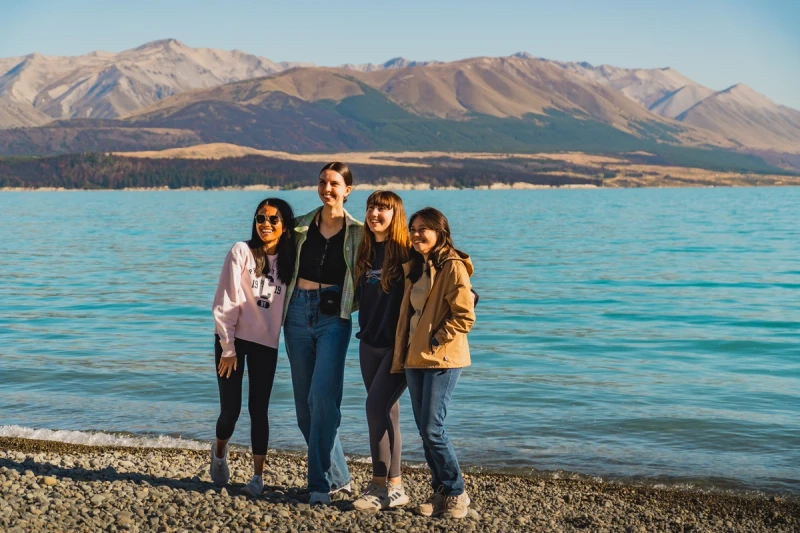
Skip the generic "trust your gut" advice for a second. These are the specific things that catch solo travellers out in New Zealand, based on what the country's own safety pages flag:
Skip the vague tips and do these instead: they're the ones New Zealand Police and Tourism New Zealand actually recommend:
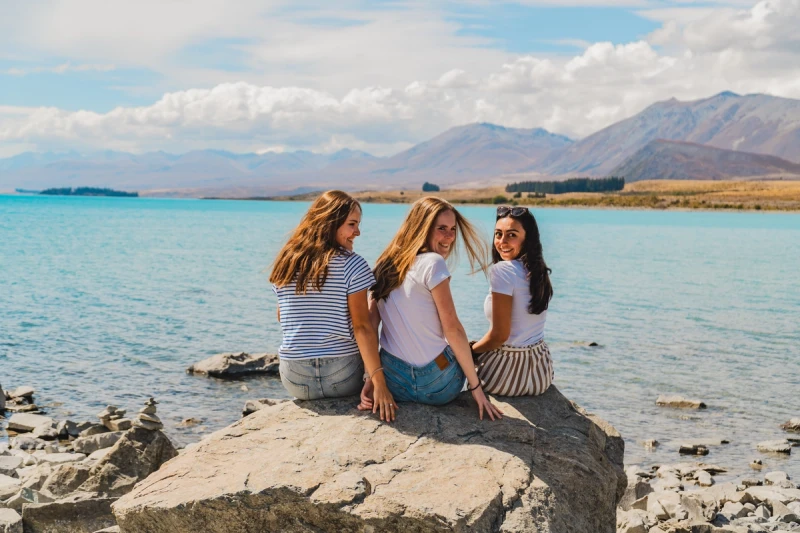
There's no single "correct" way to see New Zealand solo: each option trades safety, cost and freedom differently. Here's the honest version of each:
If you're weighing up tour companies specifically (not just tour vs. self-drive), our checklist for choosing a small-group tour company in New Zealand walks through what to ask before you book.
There's no such thing as a one size fit all everyone, we know a small group tour isn't the right fit for everyone. If you want total freedom to change plans hour by hour, self-drive will suit you better: we'd rather say that upfront than oversell it. But if the appeal of New Zealand is the scenery and the activities, not the logistics of getting yourself there safely each day, a small group removes most of the solo-specific risk above in one move.
Wild Kiwi's Adventure tours cap every departure at a maximum of 18 guests, run in Mercedes vehicles with a guide who knows the roads and the weather, and skew toward the 18–39 age bracket, which in practice means most departures have more than one person travelling alone. (7 days, Tekapo, Queenstown, Milford Sound and the glaciers) and (7 days, Rotorua, Hobbiton and Waitomo) are the two most popular starting points for a first solo trip, and NZ Explorer (14 days, both islands) suits anyone who wants the whole country covered without piecing together buses and bookings themselves.
Even on a tour, you'll likely have free time to explore solo: a short walk from camp, a side trip in a town the group's staying in overnight. Before you do:
If reading all this has you leaning toward not doing the driving and decision-making alone, is a solid place to start: it covers the single-most-asked-about stretch of the South Island (Tekapo, Queenstown, Milford Sound, Franz Josef) with a guide handling the roads and the logistics, and a group small enough that you'll actually get to know the other 17 people on it. It won't suit you if you want to wing it day by day, but if you want New Zealand's biggest hits without travelling the risky bits solo, it's built for exactly that.
Yes. New Zealand ranked 2nd of 163 countries on the 2026 Global Peace Index, and violent crime against visitors is rare. Most incidents are opportunistic theft, not assault. The main risks are practical rather than criminal: driving fatigue, remote hiking without a check-in plan, and variable hostel security, all of which are manageable with basic precautions.
New Zealand Police explicitly advise against it, for anyone, regardless of gender: don't hitchhike and don't accept lifts from strangers. It's a long-standing part of backpacker folklore here, but it isn't official safety advice, and plenty of solo travellers skip it entirely in favour of buses, shuttles or a tour.
Queenstown's compact town centre is well-lit and busy most nights, with a steady flow of travellers, which makes it one of the more comfortable towns to be out in alone. The usual precautions still apply: stick to the main strip, don't accept drinks from strangers, and book a taxi rather than walking back to accommodation on the outskirts after dark.
It depends on the operator: some charge a single supplement for a private room, others pair solo travellers of the same gender, and some do both depending on availability. At Wild Kiwi, there is the option to upgrade to your own private room, are available upon request.
File an Outdoor Intentions form with a trusted contact, covering your route, expected return time and emergency gear. Check conditions at a DOC or isite Visitor Centre rather than relying only on a map app, and carry more layers and water than you think you'll need, since New Zealand weather changes quickly.
Driving. Narrow, winding, sometimes unlit roads combined with jet lag and an ambitious first day catch out more visitors than any criminal risk. If you're not confident driving unfamiliar roads solo, that alone is a good reason to consider a small-group tour or public transport over self-drive.
Adventure Adventure
 Premium
 Premium
 Adventure
 Premium
 Adventure
 Premium
 Premium
 Adventure
 Adventure
 Premium
 Premium
 Adventure
 Premium
 Premium
 Adventure
 Adventure
 Adventure
 Premium
 Adventure
 Adventure
 Adventure
 Adventure
 Premium
 Day
 Day
 Day
 Day
 Day
Opening Hours:
8:30am - 5:00pm
Address:
127 Franklin Road
Freemans Bay
Auckland 1011, NZ
Phone:
Email:
Opening Hours:
8:30am - 5:00pm
Address:
127 Franklin Road
Freemans Bay
Auckland 1011, NZ
Phone:
Email: