SALE
 Adventure
Southern Voyager
7 Days
Departs Christchurch
For 18 to 39 year olds
5% OFF
From $1,990 NZD$2,095 NZD
By Agung White published on 16 July 2026
So you're thinking about going solo in Aotearoa. Good call - you've just picked one of the safest, friendliest and most ridiculously scenic countries on Earth to do it in. But here's the thing nobody puts on the postcard: solo travel has a catch, and it usually shows up around day three, somewhere between a spectacular sunset and having no one to say 'are you seeing this?!' to. This is the guide to dodging that entirely.
Quick answer: The easiest way to travel New Zealand solo in 2026 is to join a small group tour. You arrive alone but travel with an instant crew of like-minded people, a local guide handles all the driving, bookings and logistics, and you still get free time to explore on your own terms. It combines the freedom of solo travel with the friendships, safety and insider knowledge that are hard to find travelling alone.
Few countries make going it alone this easy. New Zealand consistently ranks among the most peaceful countries in the world, English is everywhere, the tourism infrastructure is world-class, and Kiwis will genuinely chat to you at the petrol station like you went to school together. Distances are manageable, the scenery changes every two hours, and the whole country is essentially built around the road trip.
And 2026 is a sweet spot: international visitor numbers are still rebuilding toward pre-2020 levels, which means the trails, hot pools and hostel common rooms are busy enough to be social but not yet back to peak-season crush. The solo travellers are out there, you just need a way to find your people.
There's also a cultural thing at play. New Zealand has decades of backpacker DNA baked into it, this is a country that practically invented the working holiday circuit, so travelling alone here isn't unusual, it's expected. Nobody blinks at a table for one, café staff will happily point you to the best local walk, and 'where are you off to next?' is a standard greeting. Add in Māori manaakitanga, the deep-rooted value of hospitality and care for visitors and you've got a place that's genuinely wired to look after people who show up on their own.
Solo travel gets sold as pure freedom, and a lot of it is. Nobody vetoes your 6am hike or your third pie of the day. But there's a less Instagrammed side:
None of this means don't go solo. It means go solo smart, which brings us to the life hack.
You arrive alone, but you're never lonely
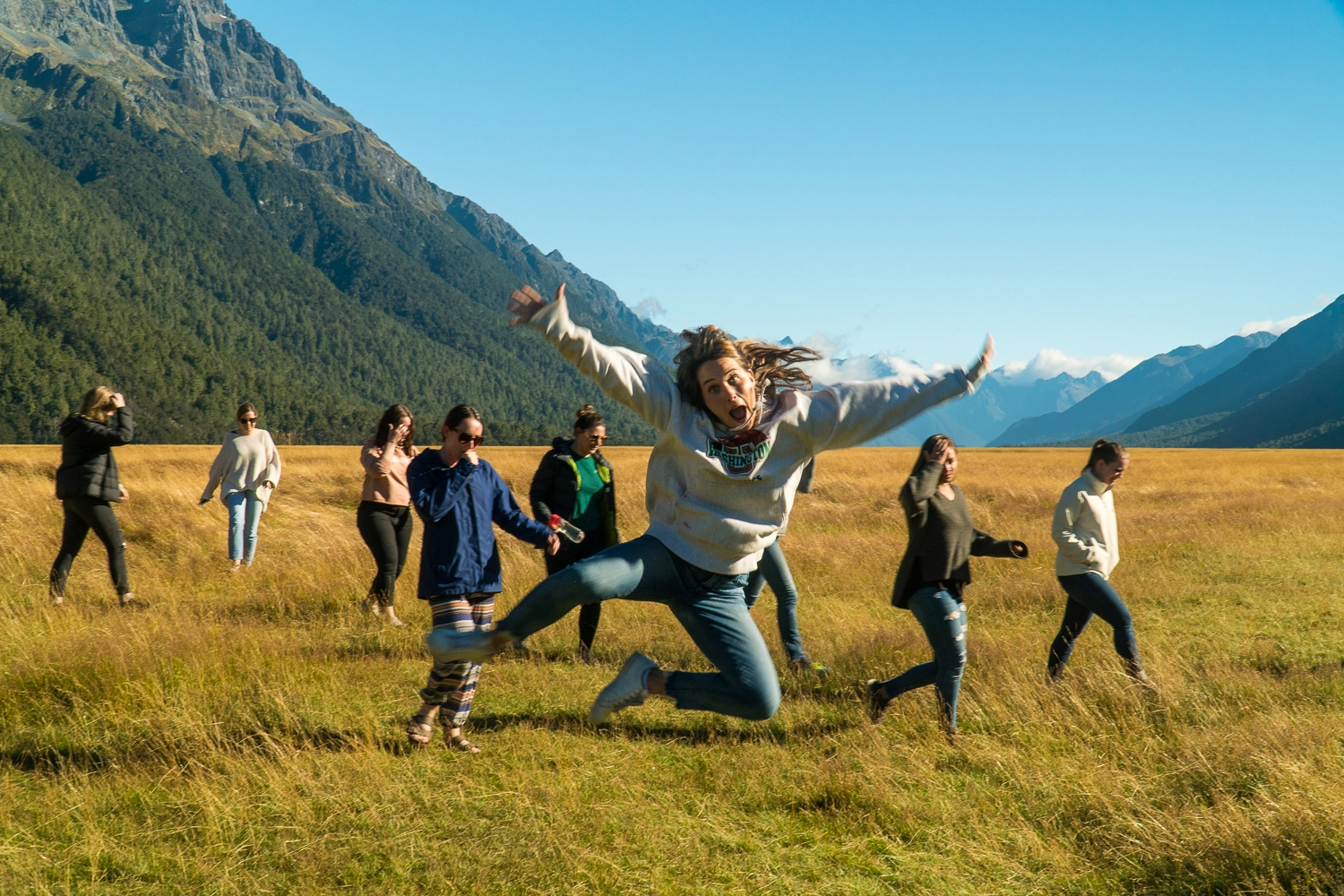
This is the big one. On a small group tour you start as strangers and end as a group chat that outlives the trip, our travellers tell us this constantly. Groups are capped at 18, small enough that nobody gets lost in the chaos or left out, and big enough that you'll click with someone by the first sunset beer at Lake Taupō. Most of our guests arrive solo, so you won't be the odd one out, you'll be the default.
Zero logistics, full freedom
Your guide handles the driving, the accommodation, the activity bookings and the where-do-we-stop-for-the-best-pie decisions, you don't even need to book activities in advance; your guide sorts them on the road. But it's not a follow-the-flag operation: every stop has free time built in, so you can surf Raglan with the crew or wander off with your camera. Solo when you want it, squad when you don't.
A local guide changes everything
There's a difference between seeing New Zealand and having it shown to you by someone who grew up here. Our guides share the Māori stories and place names behind every stop, know which lookout the tour buses miss, and read the weather like a second language, which matters when your Tongariro Crossing window depends on it.
Safety without the spreadsheet
New Zealand is one of the safest countries you can travel alone and a small group makes the remote bits (alpine passes, empty West Coast roads, big day hikes) even easier. Someone always knows where you are, transport is sorted, and your guide has seen every kind of weather curveball before.
Your budget behaves itself
With transport, accommodation and a local fixer bundled into one price, the death-by-a-thousand-bookings effect disappears. You know what the trip costs before you land, and your spending money goes on the fun stuff like skydives, hāngī feasts and one more Fergburger or Patagonia Chocolate (Highly recommend their hot chocolate and churros, you are welcome!) instead of last-minute bus tickets.
Both are great ways to see Aotearoa, this isn't a hit piece on the rental car. But if you're weighing it up, here's how the two stack up for a solo traveller:
Solo DIY
- Planning: Every bed, bus and booking is on you
- Meeting people: Possible, but takes constant effort
- Driving: You, on the left, watching the road
- Hidden gems: Whatever the top 10 blog posts say
- Costs: Unpredictable; solo supplements sting
- Flexibility: Total, every decision is yours
- Safety net: You're your own plan B
Small group tour
- Planning: Guide handles it all, you just show up
- Meeting people: Instant crew from day one
- Driving: A local drives; you watch the scenery
- Hidden gems: Guide's backyard, spots that never make the guides
- Costs: One upfront price; budget goes on activities
- Flexibility: Free time built in at every stop
- Safety net: Guide, group and a company behind you
The honest read: DIY wins if unlimited flexibility is your top priority and you genuinely enjoy logistics. For everyone else, especially first-timers with two or three weeks and a wish list, the group tour simply buys back your holiday time. You came for glowworms and glaciers, not for comparing bus timetables at 11pm.
To make it concrete, here's roughly how a solo traveller's week plays out on our Northern Voyager loop:
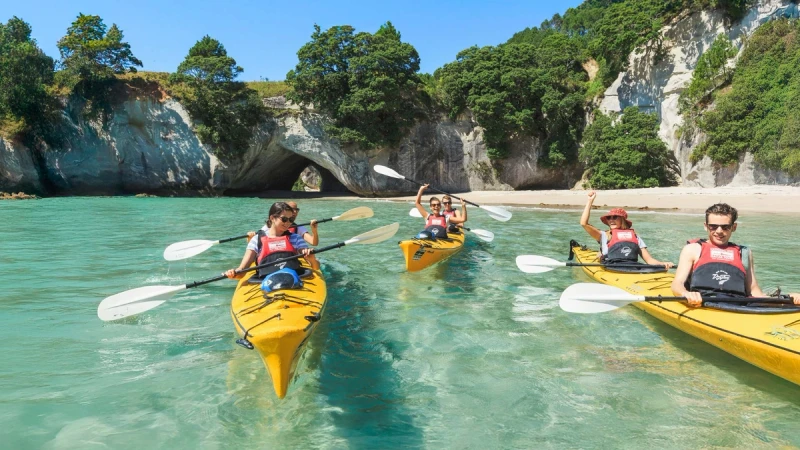
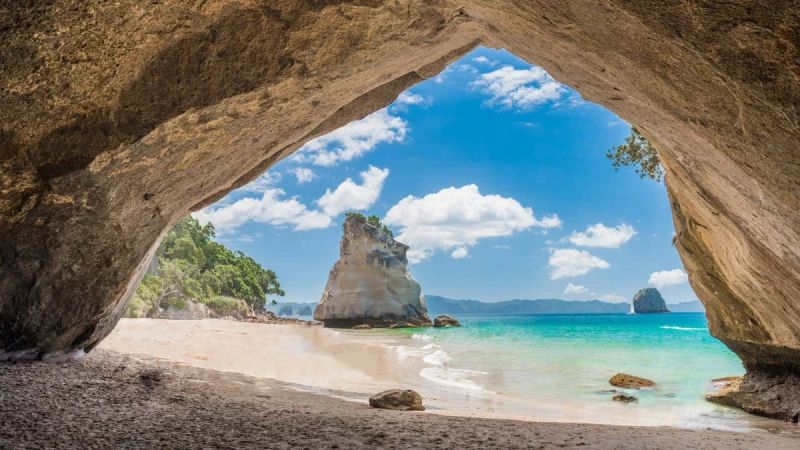
Days 1–2: You board in Auckland knowing nobody. By the time you've dug your own hot pool at Hot Water Beach and watched the sun drop at Cathedral Cove, 'the group' has become 'the crew' awkward introductions have a short half-life when you're all in togs, holding spades.
Days 3–4: Rotorua turns the dial up, geothermal colour at Wai-O-Tapu, a hāngī feast in the evening, and the option to raft a seven-metre waterfall for the brave. This is usually where the group chat gets a name.
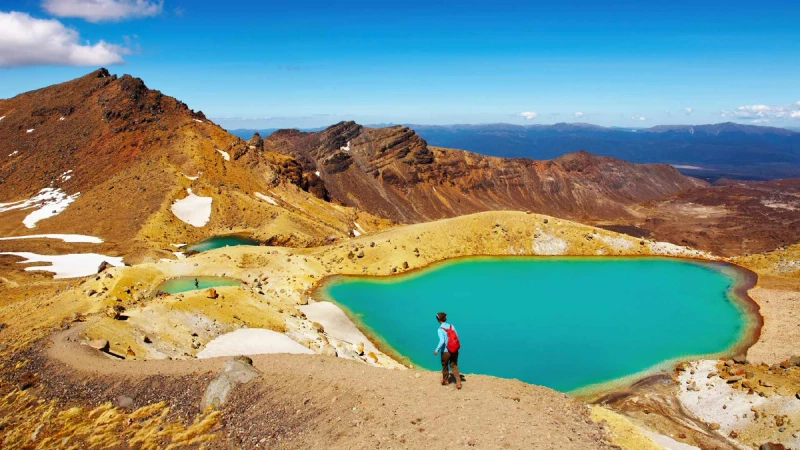
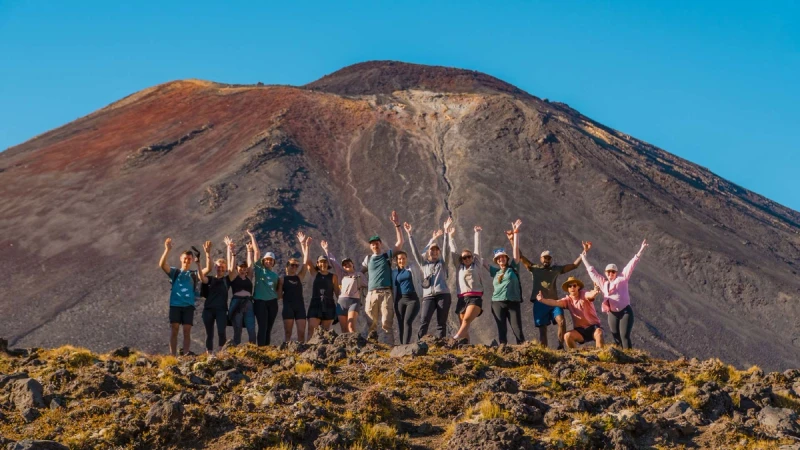
Days 5–6: Taupō and Tongariro. Some of the crew skydive, some sail to the Māori rock carvings, some just find the free riverside hot pools. If the weather gods smile, you'll tackle the Tongariro Alpine Crossing together, five or six hours of volcanic moonscape that bonds a group like nothing else.
Day 7: Glowworms underground at Waitomo, surf lessons at Raglan, and a last sunset on black sand before rolling back into Auckland. You arrived solo; you leave with plans to meet half these people in their home countries. This happens on almost every trip.
A few classics our guides see every season, dodge these and you're ahead of most first-timers:
If you take one thing from this post: in New Zealand, people are met through doing, not through small talk. The friendships form side-by-side, halfway up a volcano, waist-deep in a cave river, or waiting for the sunset at Cathedral Cove. Here's what actually works:
All Wild Kiwi tours are built for solo travellers, small groups capped at 18, local guides, comfy Mercedes vans with WIFI, and a mix of icons and off-the-beaten-track stops. The shortlist:
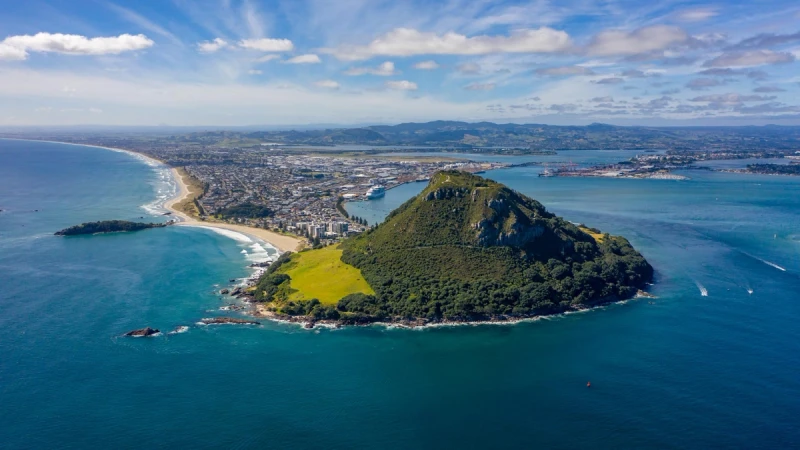
Northern Voyager (7 days, North Island). The classic loop from Auckland: Cathedral Cove, Hot Water Beach, Rotorua's geothermal wonderland, Taupō, the Tongariro Crossing, glowworms at Waitomo and surf at Raglan. See the Northern Voyager itinerary.
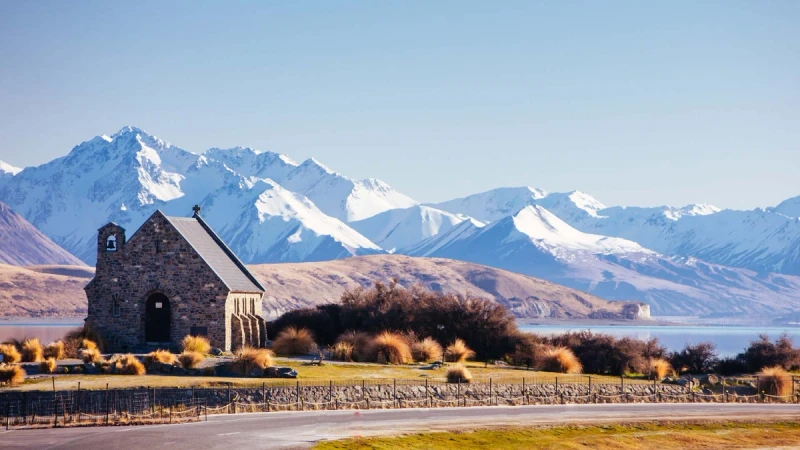
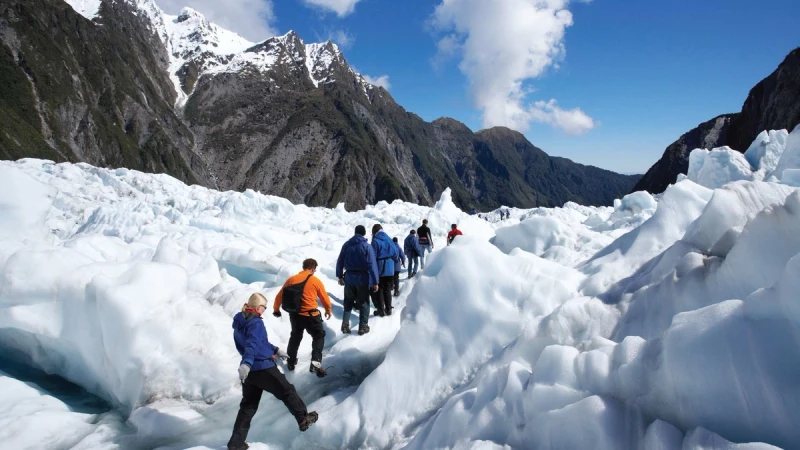
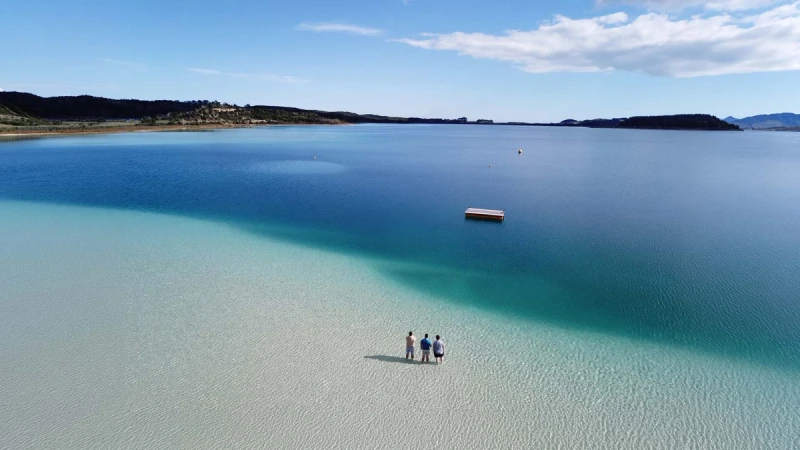
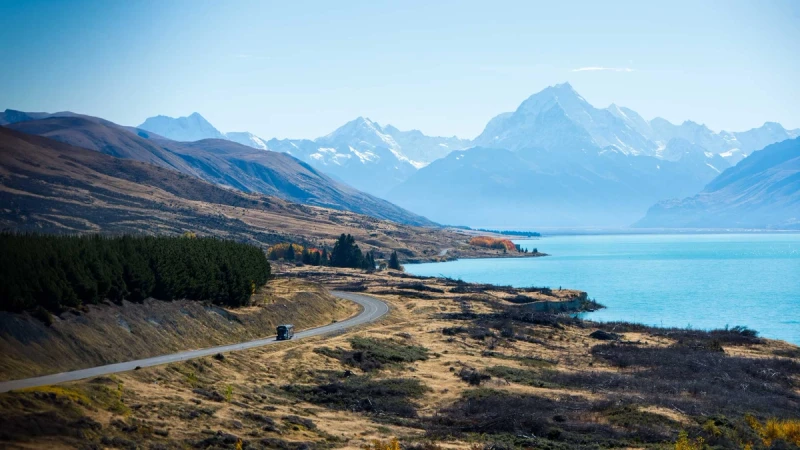
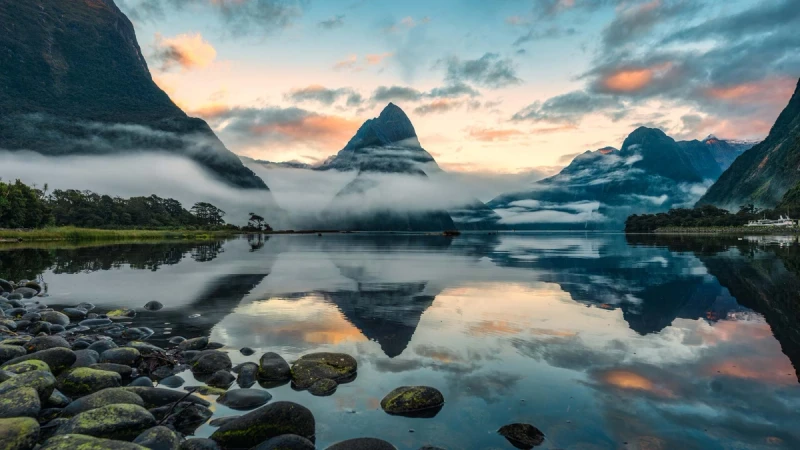
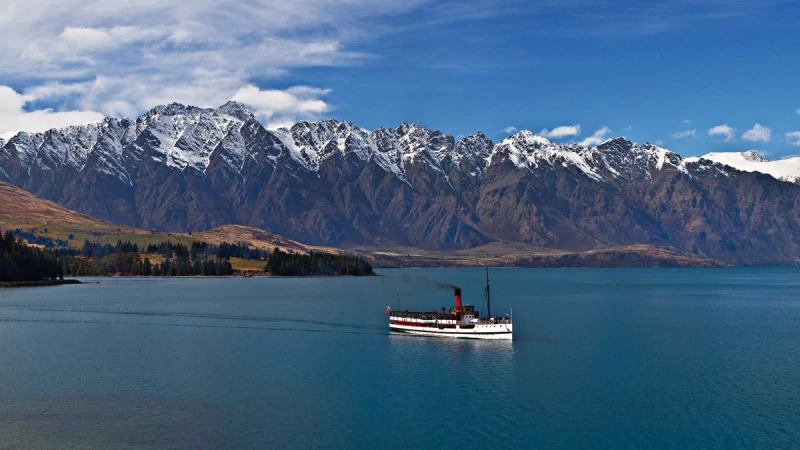
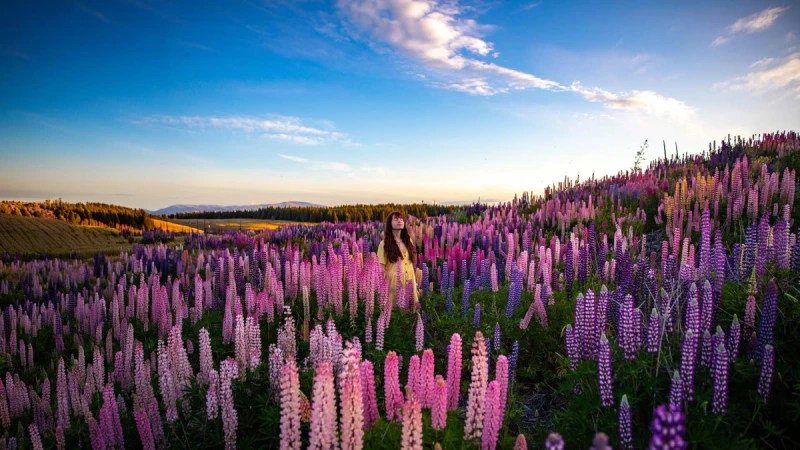
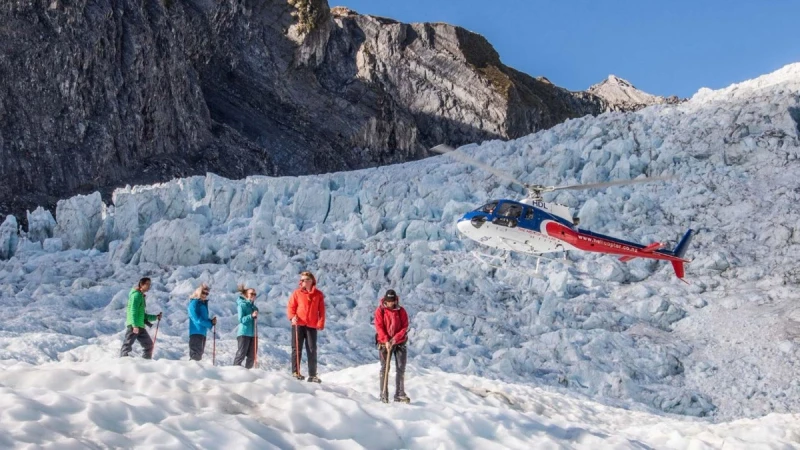
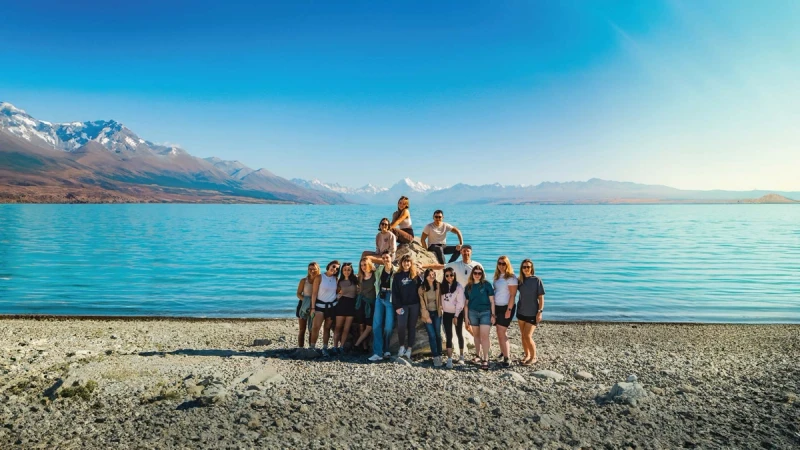
Southern Voyager (7 days, South Island). Tekapo's turquoise, Queenstown's adrenaline, Milford Sound's drama and a glacier at Franz Josef, one epic week from Christchurch. See the Southern Voyager itinerary.
NZ Explorer (14 days, both islands). The best of both worlds, Hobbiton to Franz Josef in a fortnight. The most popular pick for first-time solo visitors. See the NZ Explorer itinerary.
NZ Discovery (21 days, both islands). The full 'best three weeks of your life' treatment, the whole country, top to bottom. See the NZ Discovery itinerary.
Browse all New Zealand small group tours to compare routes, dates and styles, including premium options with boutique stays and smaller vans.
Summer (December - February) brings long days, warm water and the biggest solo-traveller crowds, peak social season. Autumn (March - May) is the guides' favourite: golden scenery, stable weather for the big hikes, thinner crowds. Winter (June - August) turns Queenstown into a ski town with a big après scene, and spring (September - November) means waterfalls at full power and shoulder-season prices. Honestly? There's no wrong answer, just pack layers. Four seasons in a day isn't a saying here, it's a forecast.
Wild Kiwi is a B Corp certified operator and we travel by the Tiaki Promise, Aotearoa's pledge to care for the land, people and culture. Travelling in one small van instead of eighteen rental cars isn't just more fun; it's a lighter footprint on the places that make this country worth crossing the world for.
Is New Zealand safe for solo travel?
Yes, New Zealand consistently ranks among the safest and most peaceful countries in the world, with low crime, friendly locals and excellent tourism infrastructure. The main risks are outdoors-related: changeable alpine weather and remote roads. Joining a guided group removes most of that risk, since transport, timing and weather calls are handled by a local.
What are the best group tours for solo travelers in NZ?
Small group tours with capped numbers work best for solo travellers, big enough to be social, small enough that nobody gets left out. Wild Kiwi's Northern Voyager and Southern Voyager (7 days each) suit shorter trips, while the 14-day NZ Explorer and 21-day NZ Discovery cover both islands. Most guests arrive solo, so you'll be in good company.
How do I meet people traveling New Zealand?
Join activities rather than waiting for conversations: small group tours, surf lessons, guided hikes and shared accommodation all create friendships naturally. On a small group tour you'll travel, eat and adventure with the same crew for a week or more, most travellers leave with a group chat that long outlives the trip.
Is solo travel in New Zealand expensive?
New Zealand isn't a budget destination, and solo travellers often pay proportionally more for rooms and transport. A group tour bundles transport, accommodation and a guide into one predictable price, which usually works out better value than piecing the same route together alone and your budget goes on activities instead of logistics.
Do I need to plan my New Zealand trip far in advance for 2026 or 2027?
For summer (December - February) and popular tours, book several months ahead, small groups mean limited spots (We have max capacity of 14 to 18 per bus). Shoulder seasons offer more flexibility. On guided tours, activities can usually be decided on the road, so you only need to lock in the big decision: which route.
Can I still get alone time on a group tour?
Of course! We make sure that our small group tours build free time into every stop, so you can hike, explore or recharge on your own whenever you want. The group is there when you want company and easy to step away from when you don't. Many solo travellers describe it as the best of both worlds: solo freedom with a social safety net.
What should I pack for solo travel in New Zealand?
Layers are everything: a waterproof shell, a warm mid-layer, sturdy walking shoes, togs (swimwear), sunscreen and a daypack cover most situations year-round. New Zealand weather can serve four seasons in a single day, especially near the mountains, so pack for range rather than a single climate. Power adapters are type I (same as Australia).
Adventure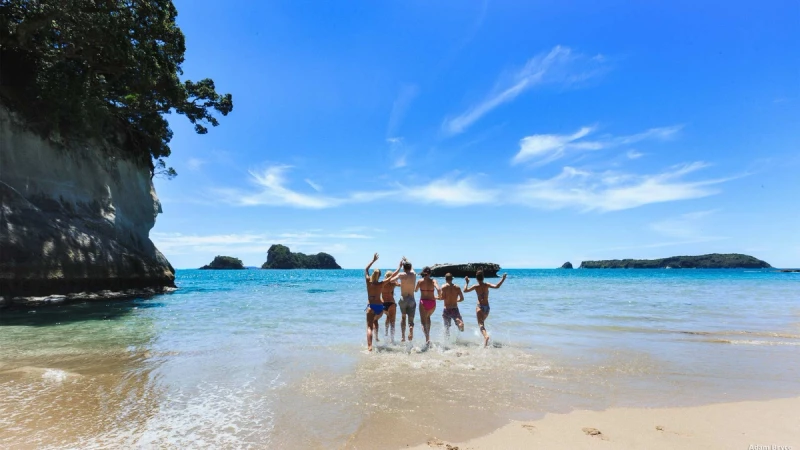 Adventure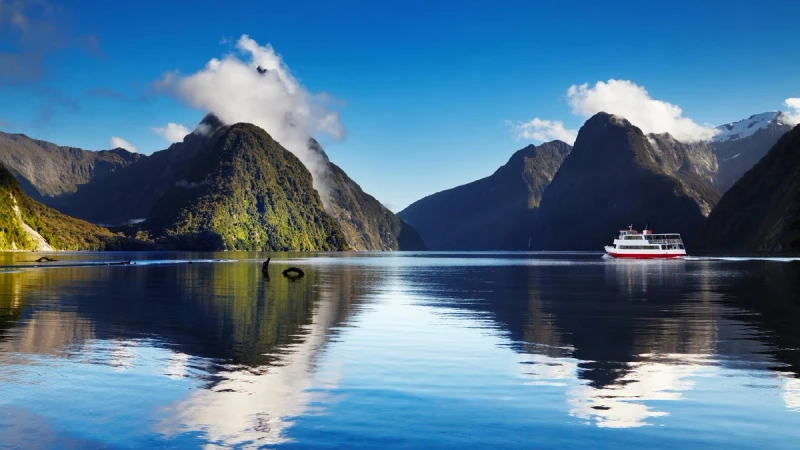
 Premium
 Premium
 Adventure
 Premium
 Adventure
 Premium
 Premium
 Adventure
 Adventure
 Premium
 Premium
 Adventure
 Premium
 Premium
 Adventure
 Adventure
 Adventure
 Premium
 Adventure
 Adventure
 Adventure
 Adventure
 Premium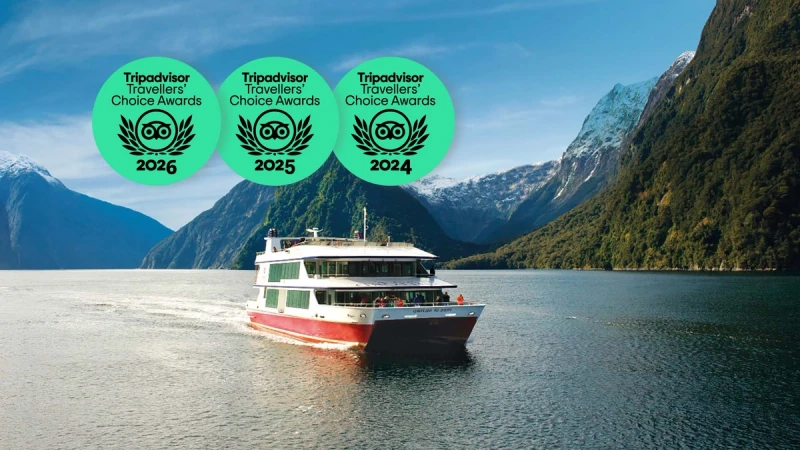
 Day
Day Day
Day Day
Day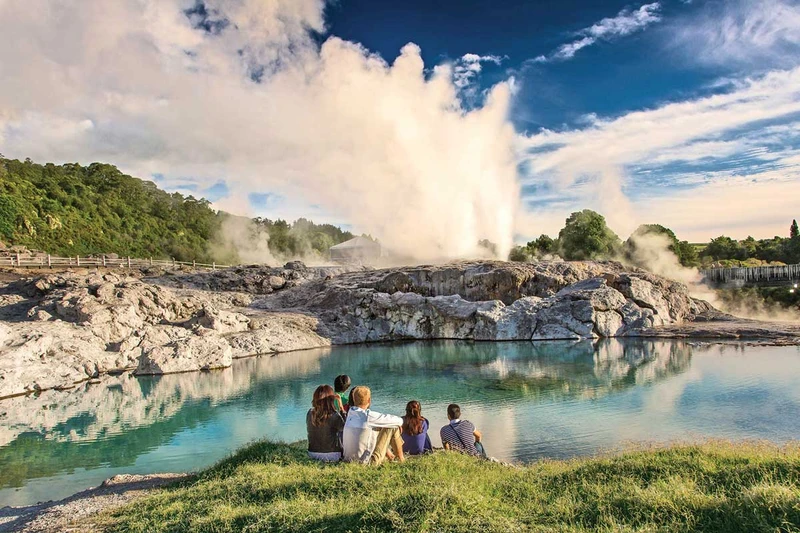 Day
DayOpening Hours:
8:30am - 5:00pm
Address:
127 Franklin Road
Freemans Bay
Auckland 1011, NZ
Phone:
Email:
Opening Hours:
8:30am - 5:00pm
Address:
127 Franklin Road
Freemans Bay
Auckland 1011, NZ
Phone:
Email: